Bloody Good Screen
  • Home
  • Bloody Good Screen Reviews
  • Bloody Good Book Reviews
  • Bloody Good News
  • Bloody Good Trailers
  • Features
  • Bloody Good Reads Podcast
  • Snakebite Horrorcast Podcast
  • Videogame Reviews
  • Reviews OLD
    • Trailer Park
    • The Vault
  • JOIN THE TEAM
  • Bloody Good Giveaways

Top 90’s Thrillers That Still Keep Us on the Edge

9/11/2025

0 Comments

 
Picture
The 90’s were an incredible decade for thrillers. From pulse-pounding chase films to mind-bending mysteries, the decade gave us some of the smartest, most stylish, and most unforgettable suspense movies ever made. With our 90’s Movie Club episode covering The Fugitive, it feels like the perfect time to look back at some of the very best.
Picture
1. The Fugitive (1993)

​I
 had to start here. Harrison Ford running from the law, Tommy Lee Jones chasing him down – it’s one of the ultimate cat-and-mouse stories. Tense, grounded, and full of iconic moments (yes, including that dam jump), The Fugitive set the standard for the modern man-on-the-run thriller.
Picture
2. Se7en (1995)

“What’s in the box?” David Fincher’s masterpiece remains one of the darkest and most influential thrillers of all time. Brad Pitt and Morgan Freeman hunting down a serial killer who uses the seven deadly sins is grim, haunting, and unforgettable.

Picture
3. The Silence of the Lambs (1991)

​ 
Few thrillers are as chilling or as celebrated. Jodie Foster as Clarice Starling and Anthony Hopkins as Hannibal Lecter gave us one of the most iconic duos in cinema history. A psychological thriller that blends crime, horror, and character study seamlessly.
Picture
4. Heat (1995) 

​
Michael Mann’s crime epic gave us Al Pacino vs. Robert De Niro in one of the greatest heist thrillers ever made. The downtown LA shootout is legendary, but it’s the quiet, tense face-off in the diner that cements this film’s place in history.
Picture
5. L.A. Confidential (1997)

​
A stylish neo-noir packed with intrigue, betrayal, and a phenomenal ensemble cast (Russell Crowe, Guy Pearce, Kim Basinger, Kevin Spacey). Smart, slick, and endlessly rewatchable, it’s one of the defining thrillers of the decade.
Picture
6. Cape Fear (1991) 

​
Martin Scorsese’s remake of the 1962 thriller took things up a notch with Robert De Niro’s terrifying performance as Max Cady. Creepy, relentless, and disturbing, it’s one of those thrillers that gets under your skin.
Picture
7. The Game (1997)

​
Another David Fincher gem. Michael Douglas stars as a wealthy businessman whose life spins out of control after receiving a mysterious birthday present – a “game” that may or may not be deadly. Twisty, stylish, and endlessly surprising.
Picture
8. Primal Fear (1996)

​
Edward Norton’s breakout role alongside Richard Gere. A courtroom thriller with a shocking twist that still has people talking nearly 30 years later.
Picture
9. Basic Instinct (1992)

​
Erotic thriller, psychological game, neo-noir – call it what you will, Paul Verhoeven’s Basic Instinct was a cultural phenomenon. Sharon Stone’s performance alone cements this as one of the most memorable thrillers of the decade.
Picture
10. Misery (1990

​)
Adapted from Stephen King’s novel, this tense story of a writer held captive by his “number one fan” is both claustrophobic and terrifying. Kathy Bates won an Oscar for her unforgettable performance as Annie Wilkes.
​Which of these thrillers do you think holds up the best today? Drop us a comment and let us know — and don’t forget to listen to the latest episode of Bloody Good Screen: 90’s Movie Club, where we dive into The Fugitive in detail!
0 Comments

Bloody Scotland 2025 Picks: Murder, Magic & Media

8/28/2025

0 Comments

 
Picture
Here at Bloody Good Reads, we’re counting down the days until Bloody Scotland returns to Stirling this September. The line-up is absolutely stacked this year, but if you’re feeling overwhelmed by choice, don’t worry we have done the hard work for you. With so many to pick from in pure Bloody Good Reads fashion we are forced to choose only two events SO we have picked out two awesome events which we are especially excited about: Murder Most Speculative and Murderous Media.

Murder Most Speculative: Friday 12 September, 8:30pm – Golden Lion Hotel / Online

We’ve always loved it when crime fiction refuses to play by the rules, and that’s exactly what this event is about. As the festival itself puts it, “crime fiction doesn’t always stay in its lane”—sometimes it mixes with mythology, history, or even time travel. With three amazing authors you will get to hear from Ben Aaronovitch, the brilliant mind behind the Rivers of London series. His latest, Stone and Sky, brings DS Peter Grant to Scotland for a mystery steeped in myth and murder, Adam Oyebanji, whose new book Esperance is a gripping, genre-bending story that pulls in the echoes of the Atlantic slave trade and Nicholas Binge, who takes us into chilling time-travel conspiracies with his new novel Extremity.
Chaired by Zoe Venditozzi this is an event for anyone who loves whodunnits with a bold twist.

Our second choice brings two Daytime TV heavy-hitters turned authors to Stirling

Murderous Media Saturday 13 September, 1:00pm – The Albert Halls / Online

From speculative crime to the sharp glare of the media spotlight, this event is a must for anyone fascinated by how broadcasters spin a good story. Bloody Scotland says “Both household names, both new to crime fiction, and both ready to talk murder.”

 From TV and Radio to the page n stage you will see host of Steph's Packed Lunch Steph McGovern chat about her debut thriller Deadline which throws us into a live TV interview turned hostage situation and the host of the Jeremy Vine show on both Channel 5 and Radio 2 Jeremy Vine as he swaps the Radio microphone for the written page with Murder on Line One, a small-town whodunnit full of late-night suspense. Chaired by the brilliant Abir Mukherjee, this promises to be a lively and revealing session about how real-life media experience feeds into fictional crime, this is one we are VERY excited for.

For us, these two events capture just a small snipet of what Bloody Scotland has to offer. From magical mayhem to newsroom nightmares, it’s all about crime fiction that pushes the boundaries. And the best bit? Both sessions are hybrid, so whether you’re in Stirling or tuning in from your sofa, you can be part of it.

As with last years event we are part of the big Blog Tour for Bloody Scotland, please check out the previous and upcoming Blog posts in the next few days! See you in Stirling!

Picture
0 Comments

Bloody Scotland returns! Bloody Good Reads recommends: Mark Billingham and Erin Kelly in conversation

8/27/2024

0 Comments

 
Picture
Crime fiction fans, It is that time again! Bloody Scotland is back, and this year promises a lineup showcases the absolute greatest in crime fiction today. Among the amazing line up of talks and events this year my top must-see event is the panel featuring none other than Mark Billingham, an author I have had the pleasure of both reading and interviewing, and Erin Kelly, two titans of the crime fiction world who are definitely going to be a highlight of this years festival.

First we have Mark Billingham, the mastermind behind the Tom Thorne series, needs no introduction. With a career spanning over two decades, he’s delivered thrillers that keep readers glued to the page. Billingham’s skill for blending gritty realism with amazing characters has earned him a legion of fans. Whether he’s taking us down the dark alleys of London or into the minds of his deeply complex characters, Billingham always knows how to keep the tension high and the twists unexpected.

Joining Mark is another amazing author, Erin Kelly is the queen of psychological thrillers, weaving stories that are as emotionally gripping as they are suspenseful. Her novel He Said/She Said took the literary world by storm, and with good reason. Her latest work continues to explore the darker corners of the human psyche, making her a perfect match to join Mark on stage this year.

So, what can attendees expect from this dynamic duo? Mark will be talking about his latest Dec Miller novel The Wrong Hands while Erin will be chatting her new thriller The House of Mirrors. The event will be Chaired by the podcaster Marco Rinaldi and there will be a Crime in the Spotlight reading from Susan Allott.

Fans will also get a rare glimpse into the behind-the-scenes process of two writers at the top of their game. How do they come up with those jaw-dropping plot twists? What’s it like to live in the minds of their characters? And even what scares them? With Mark Billingham and Erin Kelly on stage, if my last chat with Mark is anything to go by you can bet the answers will be as entertaining as they are enlightening.

Whether you’re a regular to the event or just dipping your toes into the world, this is one panel you won’t want to miss.

So grab your tickets and get ready for an hour of gripping conversation that might just leave you checking over your shoulder on the way home. After all, you never know what surprises are in store!

You can buy your tickets at https://bloodyscotland.com/event/mark-and-erin/
Check out all the amazing events also over at the Bloody Scotland Website!
and while you are at it check out all the other amazing influencers chatting about all the events this year! details are below. Follow Bloody Scotland on X HERE

Picture
0 Comments

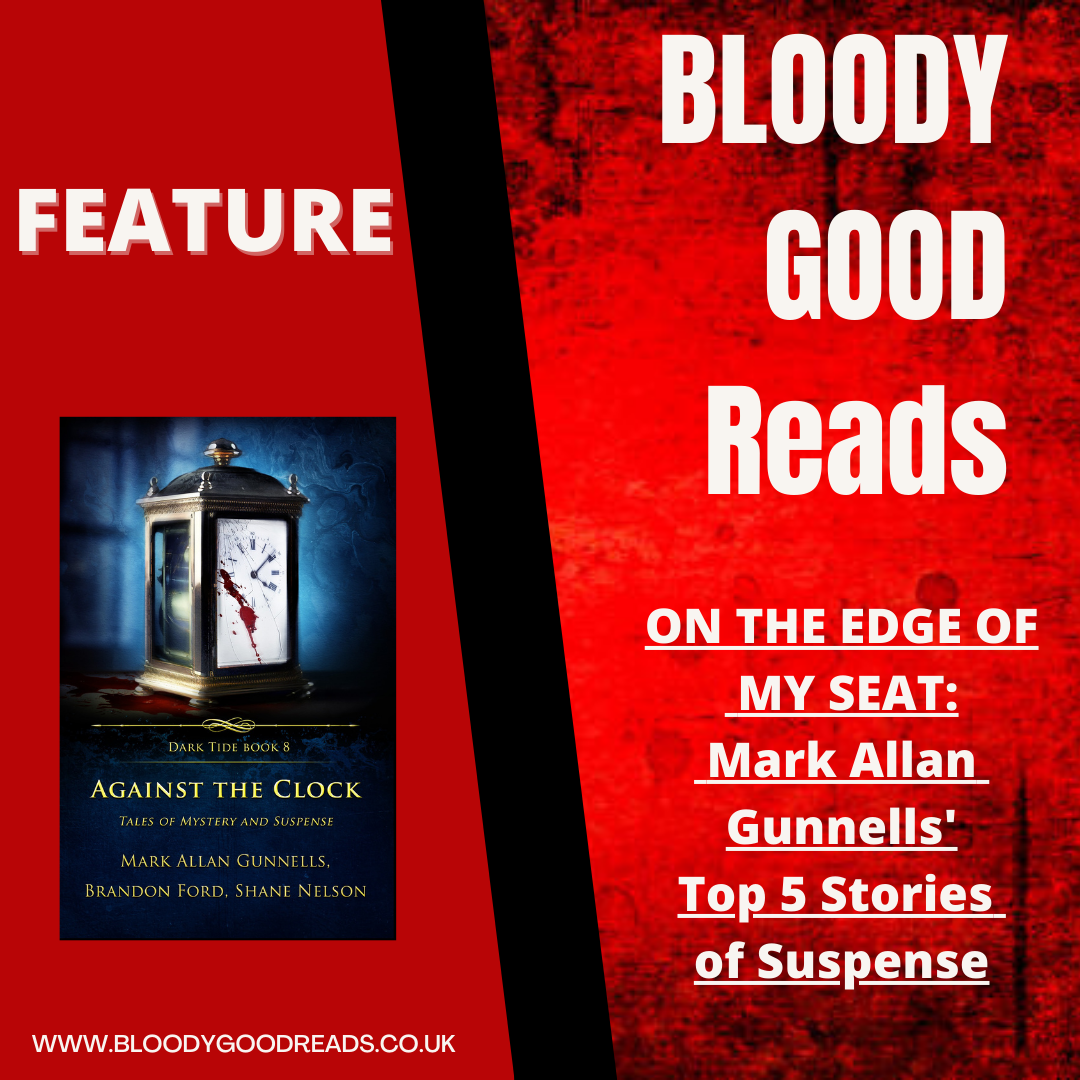
Feature: ON THE EDGE OF MY SEAT: Mark Allen Gunnells' Top 5 Stories of Suspense

6/3/2023

0 Comments

 
Picture
My latest novella “Septic” (available in Dark Tide: Against the Clock with novellas by Shane Nelson and Brandon Ford) is a tale of suspense. I love crafting suspense tales because as a reader myself, I love suspense stories. When done right, they can grab an audience like almost nothing else. Below are some of my favorite suspense novels I think people should check out.
Picture
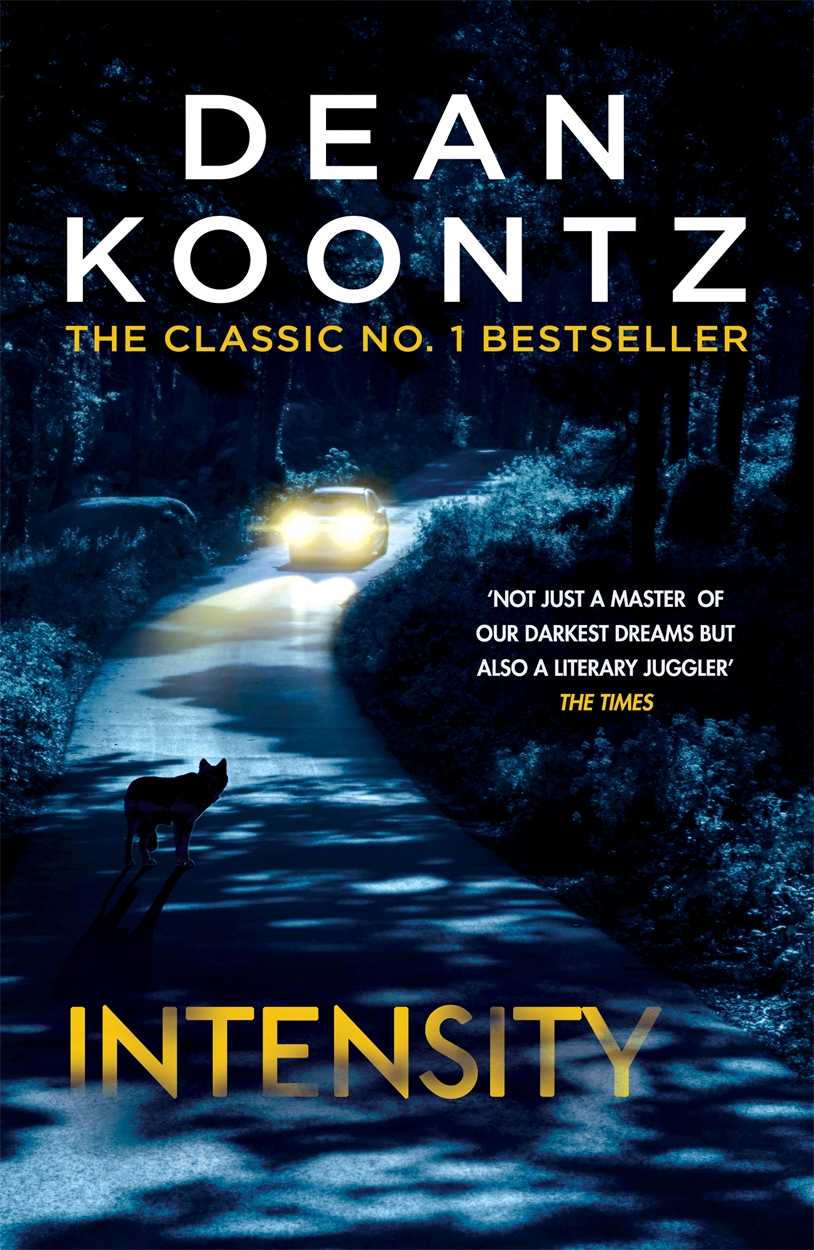
Intensity by Dean Koontz.

​This one knocked it out of the park for me. Koontz created an action vehicle that just did not let up, was relentless in its escalation of the stakes for the main character. The action was practically non-stop as Chyna finds herself in one horrible situation after another. In the character of Vess, Koontz created quite the nasty villain, but what makes the suspense so intense is that Chyna is a smart capable adversary for him. For me, this novel is a masterclass in how to write a suspense novel.
Picture
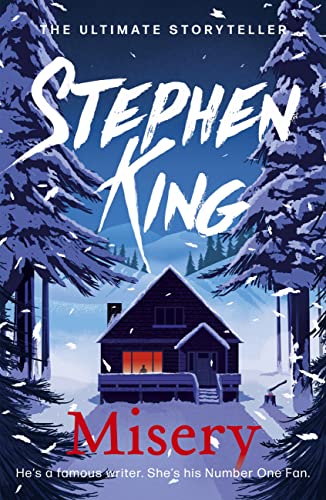
Misery by Stephen King.

​This one for me shows that a suspense novel does not have to have nonstop action. This is a story that takes place in a very confined space with only two characters for the most part, and the suspense is born from the volatile nature of antagonist Annie Wilkes. Sometimes she can be cheerful and bubbly, but the reader knows below the surface is danger waiting to erupt and you never know when that explosion may happen. King shows us sometimes character is the key to suspense.
Picture
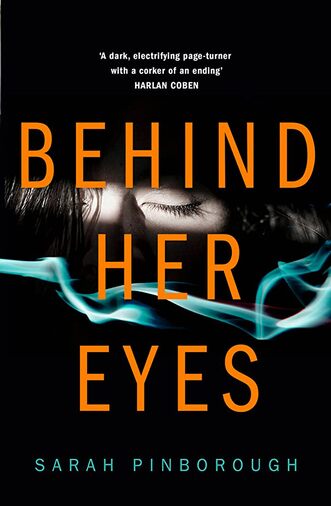
Behind Her Eyes by Sarah Pinborough.

​This book uses mystery to build the suspense. For much of the book there is this building sense of dread and suspicion where you know some nefarious plot is underway but you don’t know the specifics and aren’t always certain who to trust. That leaves the reader breathless to discover the secrets, and the book delivers with a hell of a reveal. And unlike many things with a big twist, this one plays fair so when you reread the novel everything makes sense and nothing feels like a cheat. Great suspense teases but also pays off in the end.
Picture
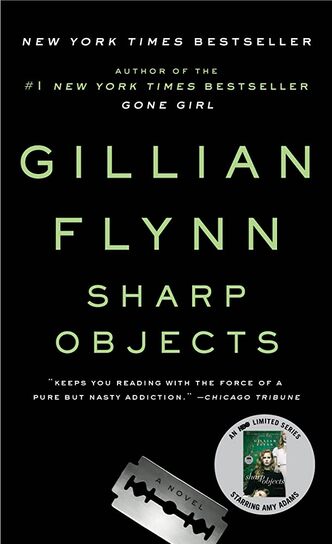
Sharp Objects by Gillian Flynn

She’s most famous for another novel, but I think this one is full of suspense. There is a murder mystery at play here, but the real suspense comes from the family dynamics here. The characters are so finely drawn here, the family drama and secrets sucks the reader in and makes us eager to keep flipping those pages well into the night to find out what further depths the story may sink to. It is also one of those stories where just when you think you have everything figured out, you discover there in another level.
Picture
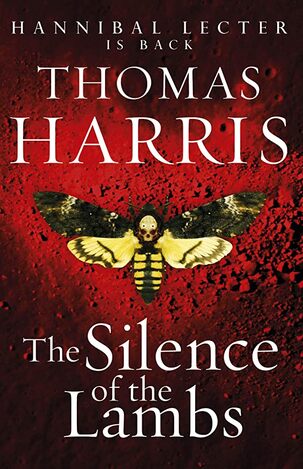
The Silence of the Lambs by Thomas Harris.

​This one is a wonderful example of how suspense can be born from the audience knowing more than the characters. With this one, the reader knows exactly who the serial killer is, but it is a wonderful cat-and-mouse game as the characters have information slowly fed to them that leads the way there. The scene where Clarice walks right into Buffalo Bill’s Lair without realizing it definitely had the readers on the edge of our seats. The character of Hannibal Lecter added another level of suspense so that the reader had it coming at them from both sides.
​I could go on, but those are my top five suspense novels. I would love to hear from everyone out there, how do you define suspense and what are your favorite suspense novels? Please tell me, don’t leave me in suspense.
0 Comments

Cinema's most hidden movie locations you can visit

4/6/2023

0 Comments

 
Picture
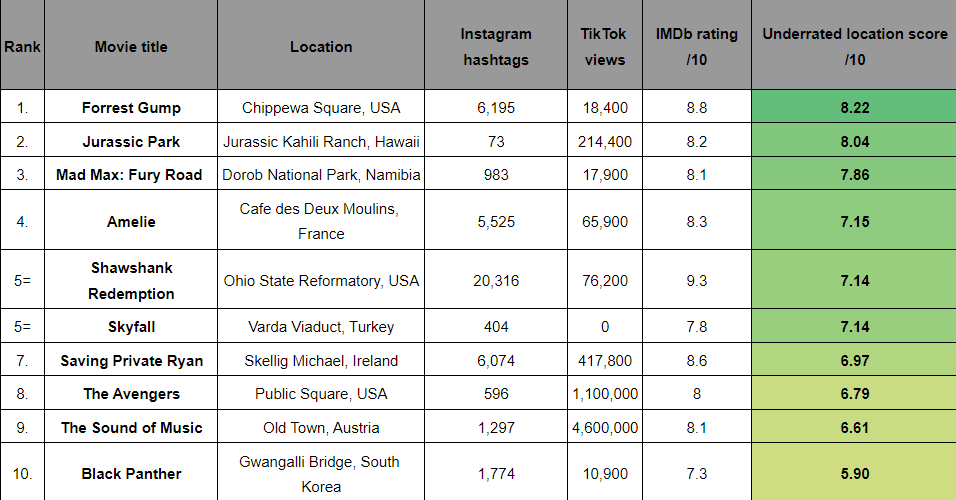
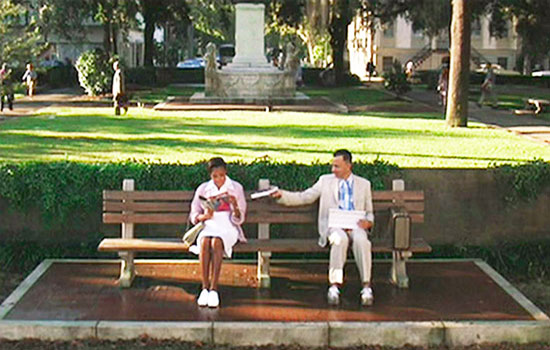
Chippewa Square, USA, popularised by Forrest Gump (1994), has been revealed as the most underrated movie location you can visit. 
​

That’s according to the latest study by PACasino. To do this, the experts first analysed the IMDb scores of movies with the most popular locations and selected the ones with the highest ratings. Based on that, they then analysed the social media tags of each movie location, taking into account that those with fewer tags had the fewest visitors, and were therefore considered the most underrated.

​The top 10 most underrated movie locations you can visit

Picture
​* = represents the same ranking in the table. Please find the full dataset used throughout this study, here.
PACasino can reveal that Chippewa Square, USA, is the most underrated movie location to visit in the world. Chippewa Square was popularised for its use as a setting in the iconic drama Forrest Gump (1994) and has an overall underrated location score of 8.22/10. This is 13% higher than Ohio State Reformatory, which featured in Shawshank Redemption and has an underrated location score of 7.14/10. Chippewa Square has 69% fewer Instagram hashtags (6,195) than Ohio State Reformatory (20,316) — as well as 75% fewer TikTok views — despite Forrest Gump and Shawshank Redemption both being released in the same year.
Picture
Jurassic Kahili Ranch, Hawaii, takes second place with an underrated location score of 8.04/10. Best known for being the backdrop to the iconic Jurassic Park (1993), Jurassic Kahili Ranch has an overall score 15% higher than Public Square, Cleveland, which features in 2012’s The Avengers (6.79/10). Despite this, Jurassic Kahili Ranch has just 214,400 TikTok views, 80% fewer than Public Square, (1.1m) which has the second highest number of TikTok views on the list — solidifying Kahili Ranch as a hidden gem.

With an underrated location score of 7.86/10, Dorob National Park, Namibia, known for featuring in Mad Max: Fury Road (2015), lands third place. Dorob National Park has an IMDb rating of  8.1/10, tied with Old Town, Salzburg, where The Sound of Music (1965) was filmed. Old Town, Salzburg has 1,297 Instagram hashtags, 24% more compared to Dorob National Park (983), which makes the Mad Max location a hidden gem for fans to visit. 
Picture
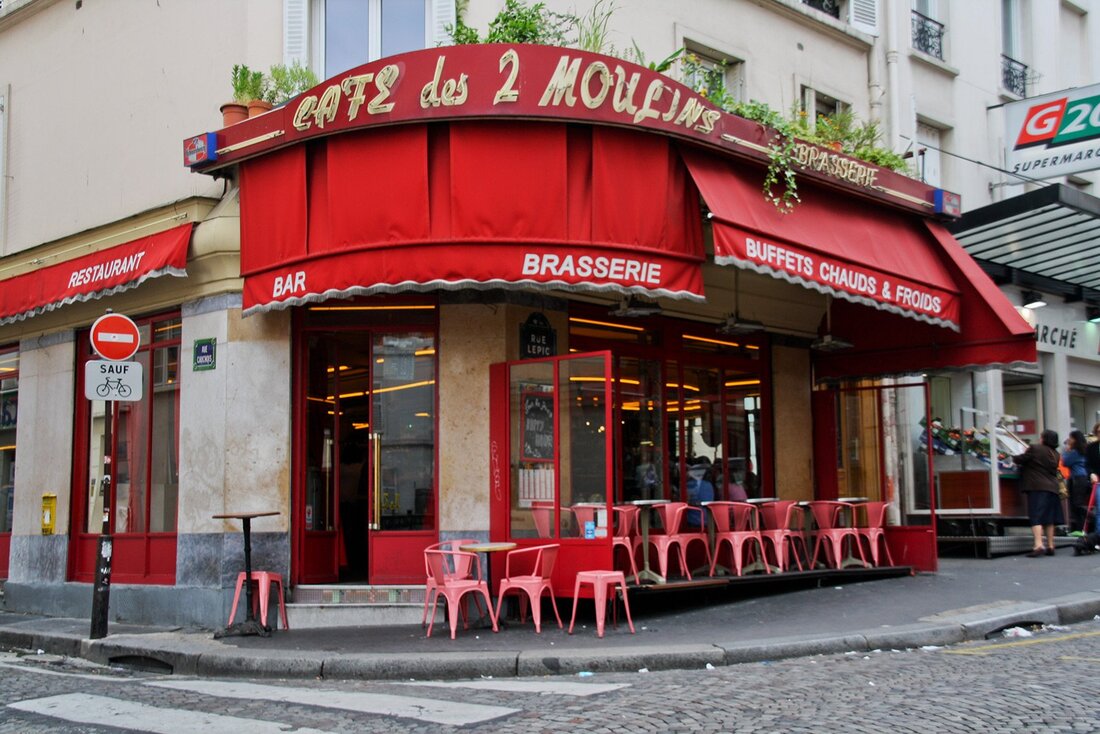
Taking fourth place, Cafe des Deux Moulins, as seen in the romantic comedy Amélie, (2001) has an underrated location score of 7.15/10. With 5,525 Instagram hashtags, Cafe des Deux Moulins, has 9% fewer hashtags than Skellig Michael, Ireland (6,074) which is featured in Saving Private Ryan (1998), and places seventh. The Parisian cafe has been viewed as many as 65,900 times on TikTok, a staggering 84% fewer views than Skelling Michael (417,800).

Credit article 
www.pacasino.com
0 Comments

Our top five Bloody Good Screens: Vincent M Gaine

3/7/2023

0 Comments

 
Picture
*In This feature series I asked the Bloody Good Screen team to share their own Bloody Good Screens to give you some more movie inspiration that we love. First up we head to the website team as Vincent Gaine delves into the world of cinema with his five Bloody Good Screens*
 Our favourite films say a lot about us, because they illustrate our tastes and personalities, as well as what resonates with us. In this list of my personal top five movies of all time, I attempt to explain why they mean so much to me. I also have zero expectations that anyone else should feel the same. These films are not ‘objectively good’, which is a nonsensical idea, and I do not expect others to like them at all, let alone as much me. I am more than happy to discuss their flaws and merits, because that makes me love them more. Thus, let us dive into my five…
Picture
Heat (1995)

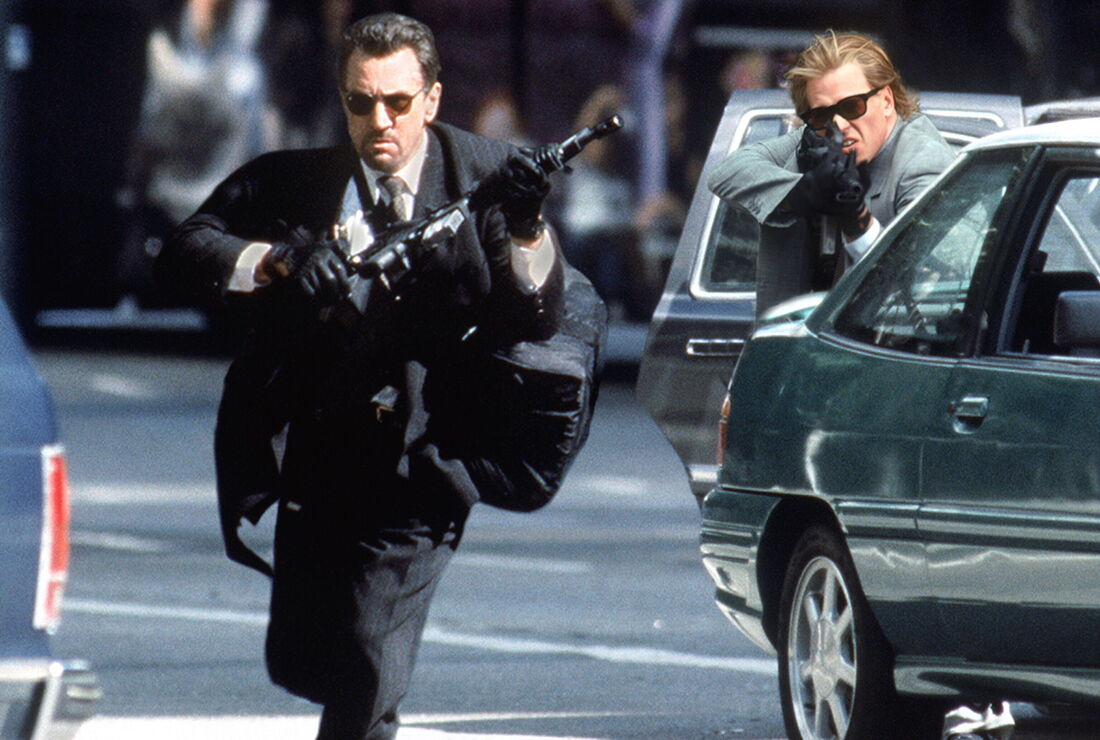
When I was 17, I went to see Heat, knowing only that it was a crime thriller with Al Pacino, Robert De Niro and Val Kilmer, directed by Michael Mann, whose previous film, The Last of the Mohicans, I had enjoyed. The three hours of watching Heat changed my life, though I didn’t know it at the time, because I went on to write a PhD on the films of Michael Mann which was subsequently published as a book. What I did know at the time was that I had experienced something special, as I came out of that cinema feeling as though a wave of energy had passed through me. It was a revelatory experience in terms of realising what film can do, say so much, express so much and allow me to feel something entirely new about the medium.
Heat is my favourite film for a number of reasons. Firstly, every element of the film is perfectly attuned to every other element – plot, character, performance, theme, setting, production design, editing, cinematography, sound, music, direction, location – all are harmonised with utter perfection. Secondly, despite having seen it multiple times, every viewing brings me great pleasure in the revisiting of familiar elements, and I also keep finding new details such as a lingering shot in a room left empty, a bottle on a table, even identifying a stunt performer. Thirdly, it works on multiple levels: a crystalline piece of cinematic craftwork; a gripping crime story; a sociological examination of post-industrial America; a modern urban tragedy; a philosophical investigation into hyperbolic masculinity. The film rewards all these readings and more. If that’s not reason enough to love a film, I don’t know what is.
Picture
Titanic (1997)

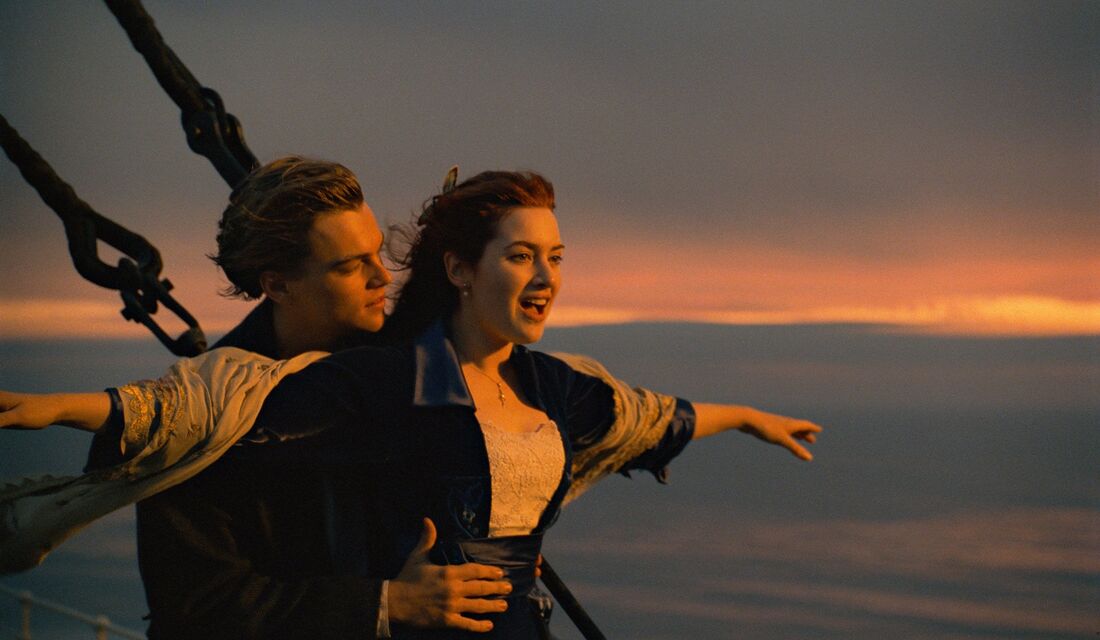
Titanic is a film that I saw a couple of times in early 1998, and many times since then. I have also been defending it ever since then from those who treat it as some sort of abomination. My love for Titanic is not based on being contrary, although it is multi-fold. I find the film superb in its production design that creates palpable and tactile environments that merge beautifully with the visual effects to shift between past and present, manifesting the act of telling history. Titanic is not a true story, rather, it is a tale of telling and a drama of recording. The constant visual emphasis on image recording including film, portraits and photographs as well as memory, the array of images presented and re-presented – all contribute to a remarkable meta-cinematic investigation into the creation of narratives. Furthermore, on a straightforward emotional level, Titanic never fails to move and enchant me. I’m a hopeless romantic and despite knowing how it ends, the emotional voyage (pun intended) of the film always transports me. It also demonstrates James Cameron’s extraordinary skill for sustained set pieces, since virtually half the film is a prolonged action sequence. I feel myself right there on the ship, alongside Jack, Rose and the other passengers, my heart in my mouth until the finale rips it out. One criticism that I understand, although I do not share it, is that the characters offer little to engage with. This is key to my enjoyment of the film, and indeed film more widely, because the less character there is the easier it is for me to project myself into the film. The most powerful cinematic experiences for me are not where I follow a character’s journey but go on a journey myself. Titanic has been taking me on a powerful emotional journey for more than twenty years, and I’m always happy to let it break my heart on that iceberg all over again.
Picture
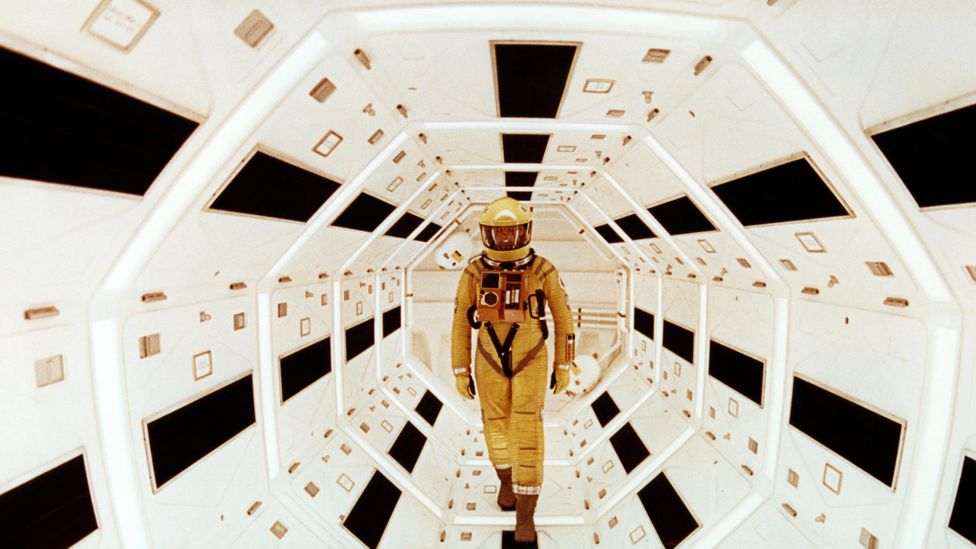
 2001: A Space Odyssey

​2001: A Space Odyssey is the finest example of cinematic art that I have ever seen. The plot would fit on the back of a postage stamp – birth of humanity to dawn of new species – but the attention to detail in the mise-en-scene and the extraordinary combination of cinematography and editing make it a genuinely transportive experience for me. Furthermore, one of the major criticisms that the film receives is for me a great strength. Arguably, the most sympathetic character in the film is a computer, the HAL 9000. I don’t particularly engage with HAL any more than I do with the humans, and therefore I am not distracted from the experience of the journey, the Odyssey, itself. As I mentioned in relation to Titanic, lack of character and characterisation is not a problem for me, as through Stanley Kubrick’s exquisite direction, I feel myself part of the revelation when Moon Watcher starts to use bones as weapons, myself on the journey to and across the Moon, I spin through space away from the Discovery, and most memorably, I travel through the stargate and beyond the infinite. This sequence is the film’s pinnacle, where sound, colour, emotion and reason and the divisions between them merge into pure sensation, in possibly the most profound and compelling sequence I have ever encountered in cinema, an incredible and transportive experience to strange new places.  
Picture
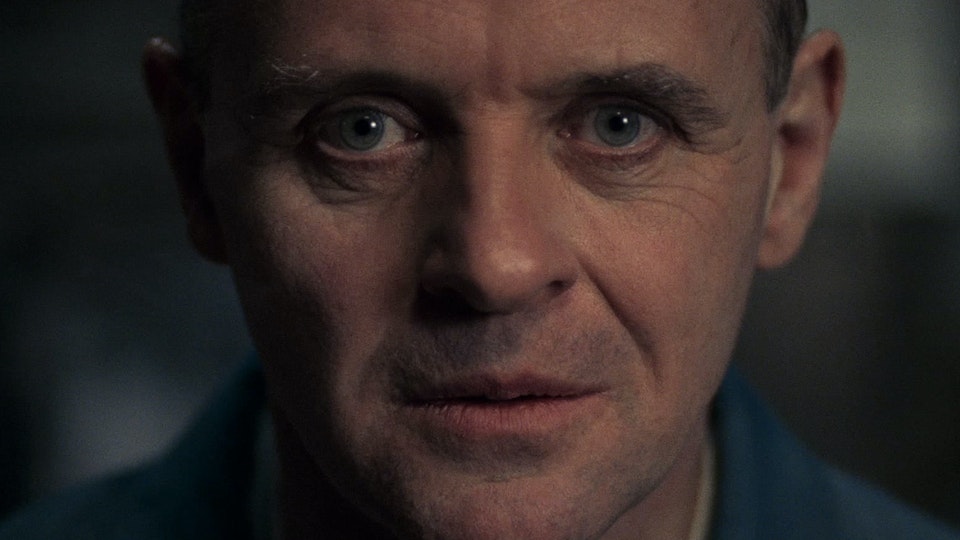
 The Silence of the Lambs (1991)

​By default, this is my top horror film, which sparks the debate as to whether The Silence of the Lambs is a horror or a thriller. Narratively, it has the structure of a detective thriller, our heroine Clarice Starling investigating one serial killer with some advice from another one. In terms of mood and atmosphere, it works as a horror film through its production design, music and perhaps most of all through its cinematography and editing. Although there are some monstrous scenes such as Dr Hannibal Lecter’s escape from custody and the climactic basement sequence, I struggle to think of any filmed conversation as terrifying as those between Starling and Dr Lecter. Yet director Jonathan Demme never overplays his hand, shooting with a sparseness that makes the psychic wounds all the more cutting and open. A palpable sense of menace hangs over the entire film, but despite the potential for melodrama (as demonstrated by the film’s sequel and prequel), the film is a masterclass in restraint and suggestion, which is so much more horrifying than outright gore. The Silence of the Lambs can be described as a detective thriller, but for me works first and foremost as a psychological horror, and one of the most significant that I have seen.
Picture
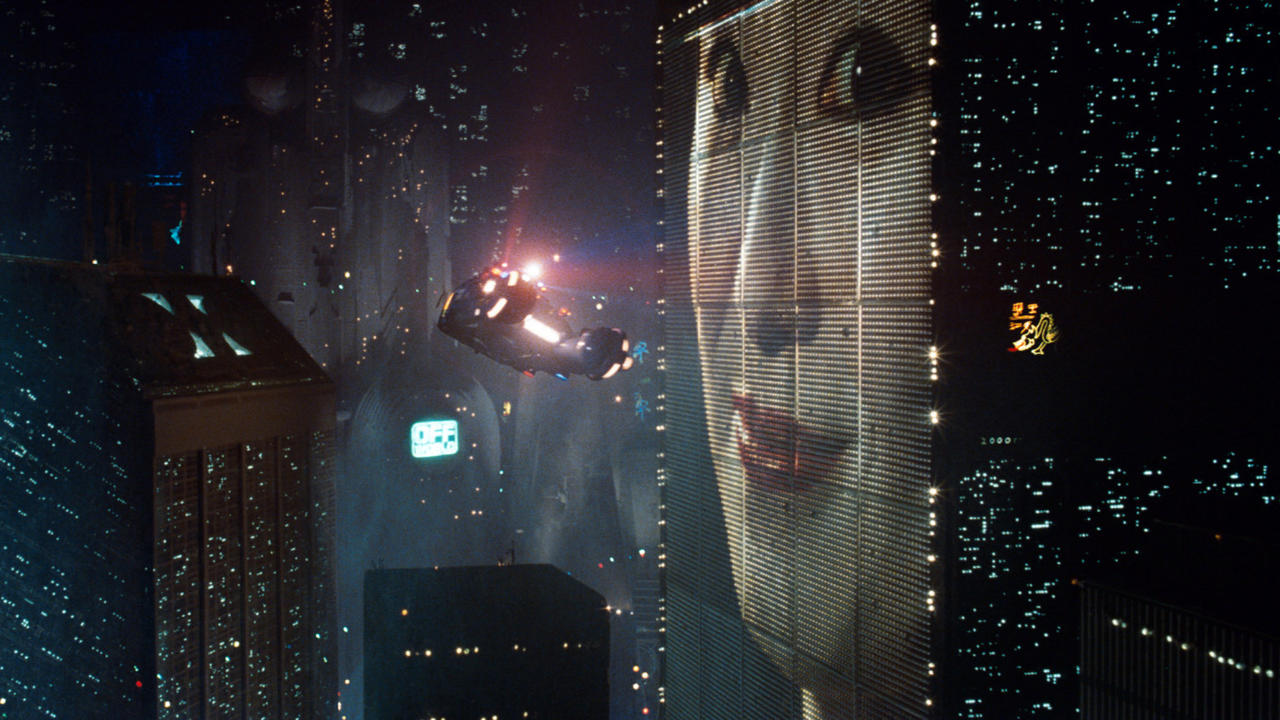
Blade Runner (1982)

Blade Runner
is a film that has grown on me significantly over the years. I first saw it when I was too young to appreciate it, perhaps because it was too grim a vision of the future that I did not want to engage with. Blade Runner offers a dystopic nightmare of a world in which hope, equality and life have been largely devalued. At the same time, I have come to appreciate it as a hypnotic and mesmerising vision with a haunting, otherworldly beauty. That the presentation of something so bleak could be so beautiful is testament to Ridley Scott’s superb direction, Jordan Cronenweth’s gorgeous cinematography and Lawrence G. Paull’s exquisite production design, as well as Vangelis’ melancholic score. Blade Runner’s Los Angeles is the gloomy city of film noir turned up to 11, with enough rain for a monsoon and enough filtered, neon light to accentuate the expressive mise-en-scene of sets, costume and performers. And these performers express characters that raise questions over what it means to be human, to be a person, to be a slave, the role of memory and identity, all within the framework of an investigation narrative where the truth is far more slippery than any execution, or ‘retirement’, might be. The combined effect of these cinematic features is to transport the viewer to this city of the damned, in what may be the most detailed and (chillingly) plausible dystopic landscape ever committed to film. Many sci-fi films predict the future. Blade Runner, to its great credit, seems to get parts of it right.  
0 Comments

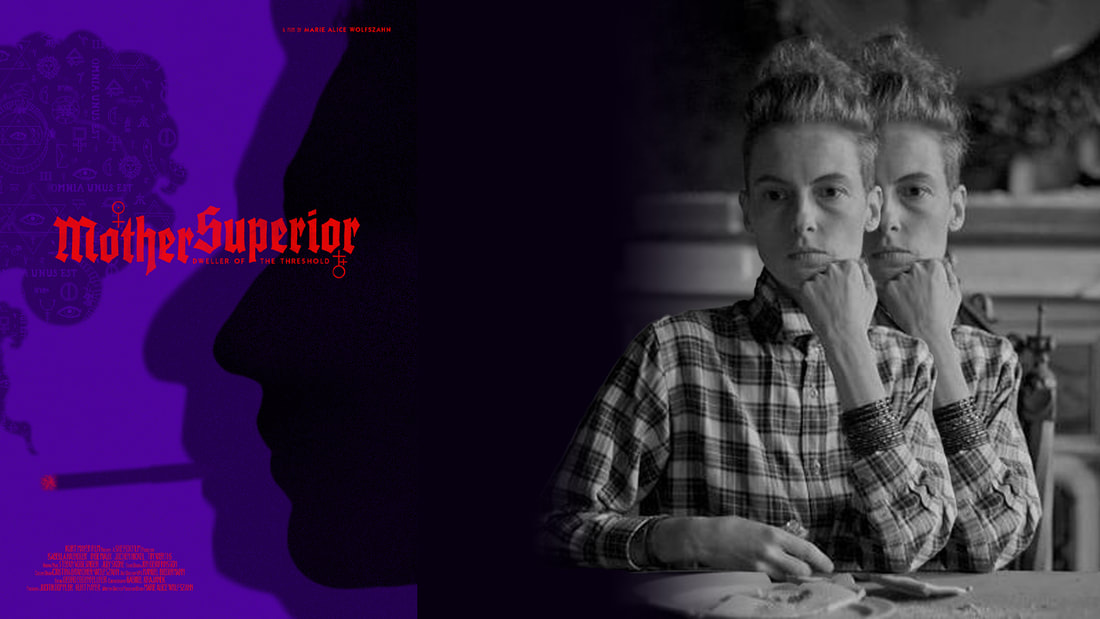
Interview: Director Marie Alice Wolfszahn ahead of the premiere of MOTHER SUPERIOR at FrightFest Glasgow 2023

2/26/2023

0 Comments

 
Picture
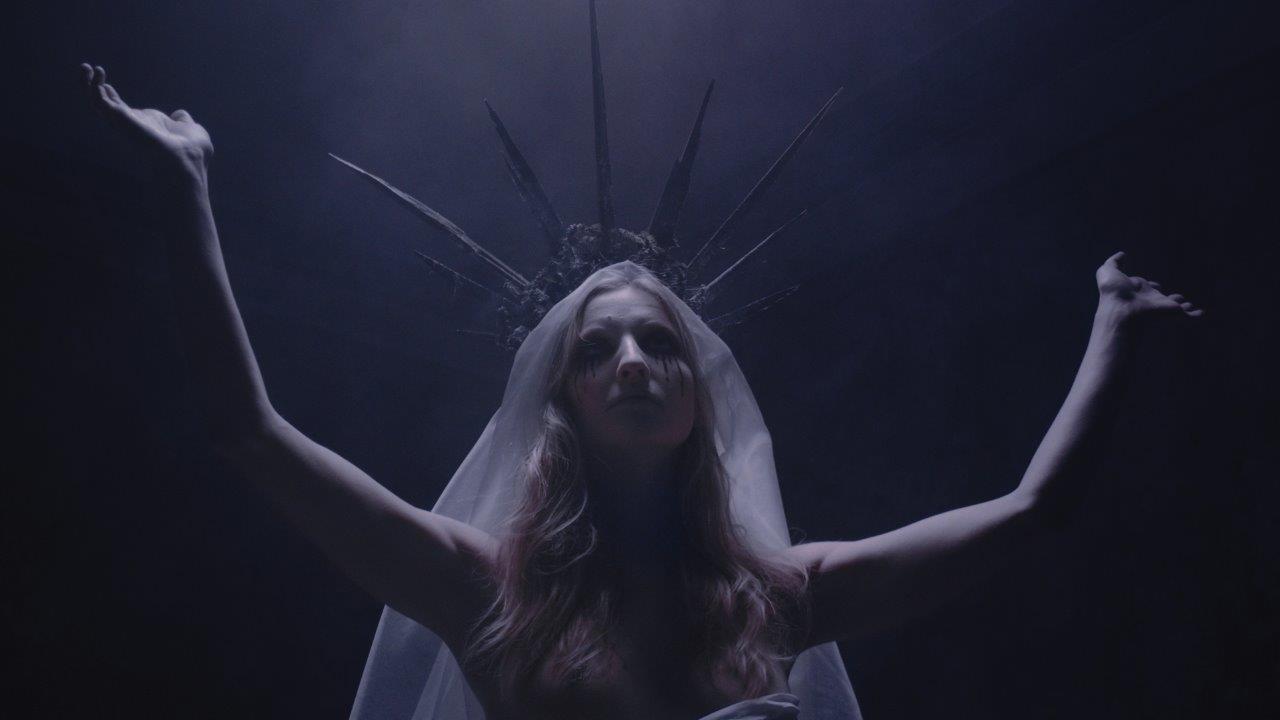
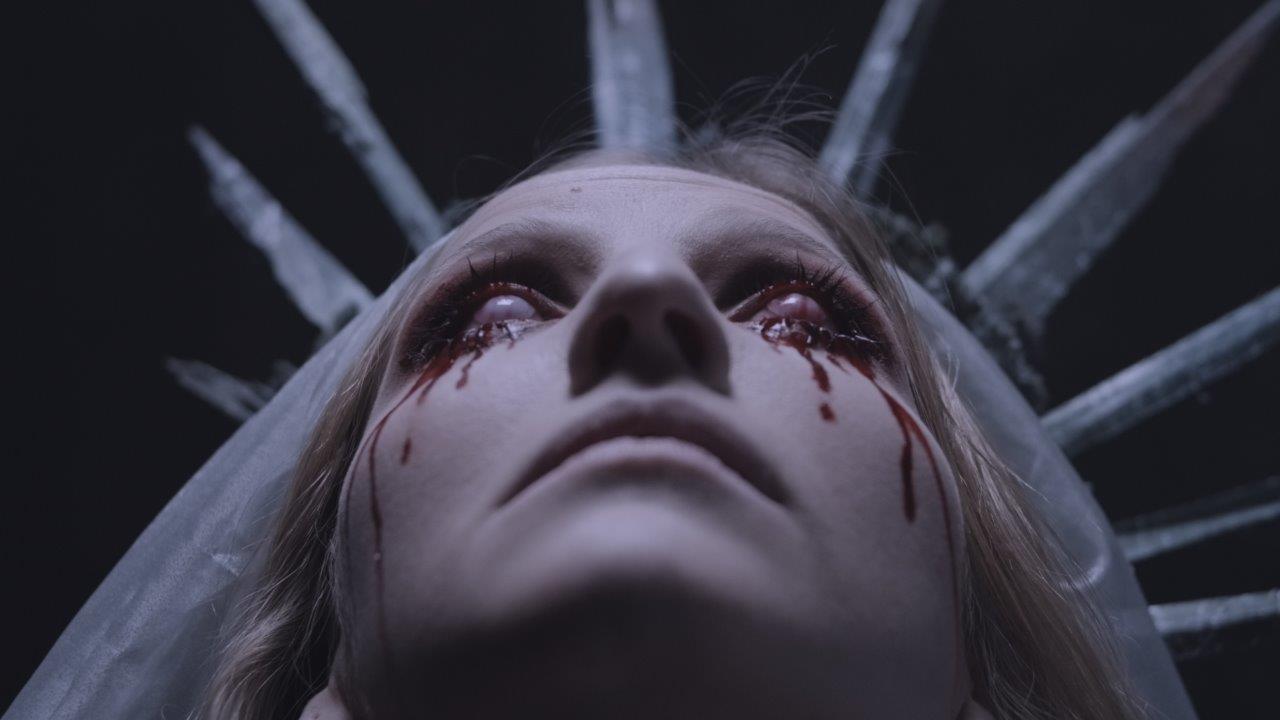
Ahead of the UK premiere of her stylishly brooding occult chiller, MOTHER SUPERIOR, at FrightFest Glasgow 2023, director Marie Alice Wolfszahn talks about being drawn to making a period horror film, multimedia influences and why returning to Scotland will be a homecoming. 
Picture
MOTHER SUPERIOR is your debut feature. How did you decide that this was the film you wanted to make?

To be honest, I didn’t know Mother Superior was to become my feature debut when I first started the project – we were planning for a long short film. Over the course of the production the scenes grew bigger, the characters developed, everyone added their magic; and finally, in the editing suite, we realised we had made a short feature film. (We never tried to reach a certain length, we just let the story decide its own flow.)

I was drawn to making a period horror film dealing with a cult. I’ve been curious about faith and ideology for ages. The power of imagination fascinates me. Insofar, the connection between fascism and occultism is a theme that I have been researching for years. The existence of NS-devoted women’s movements was something new to me. So I decided to look deeper into this paradox.

Meanwhile Covid was raging and camps with conflicting positions teamed up - esoteric naturopaths who suddenly agreed with Trump; left-wing liberals who fell for ultranationalist conspiracy theories. I was baffled and confused and reflected on how naively we put labels on values - good/evil, permitted/forbidden, rational/odd - and how many combination possibilities there are in fact. So it felt like a fitting time to pick up on the subject of “brown esotericism” and, more generally, to raise awareness of the danger that despicable worldviews may walk hand in hand with appealing ideals.

How would you describe it?

It is a quest for self-discovery but on her journey, Sigrun is lead astray. Her desire to belong overrides her moral compass. She opens herself to an insidious, warped truth with gruesomely false ideals.


The ending may be interpreted however one prefers – most people, I assume, will read it as a supernatural phenomenon, a transmigration of the soul. This is what the signs are hinting at, and it is a genre film after all. Nevertheless, there is also a realistic interpretation: Sigrun may have been manipulated/brainwashed so much that she eventually follows the footsteps of the Baroness out of choice. This is even darker and where the warning is embedded.
Picture
When writing the script, did you always visualise it as a genre movie? Were there any particular influences in that area?

Yes, I definitely wanted this to be a genre film. Somehow, raw reality is not how my brain works. Our subjective perception creates its own fiction all the time. We are consumed by much more than the tangible here+now. To be able to portray the inner mind, to visualise the psychological projections of a character is such a fantastic way to bring across emotion, desire, fear.

Influences were 60s/70s horror films like Rosemary’s Baby and the old Suspiria but also the documentary Grey Gardens about Little and Big Edie.

You are also a multimedia artist. How did your background, particularly in art, influence the film?


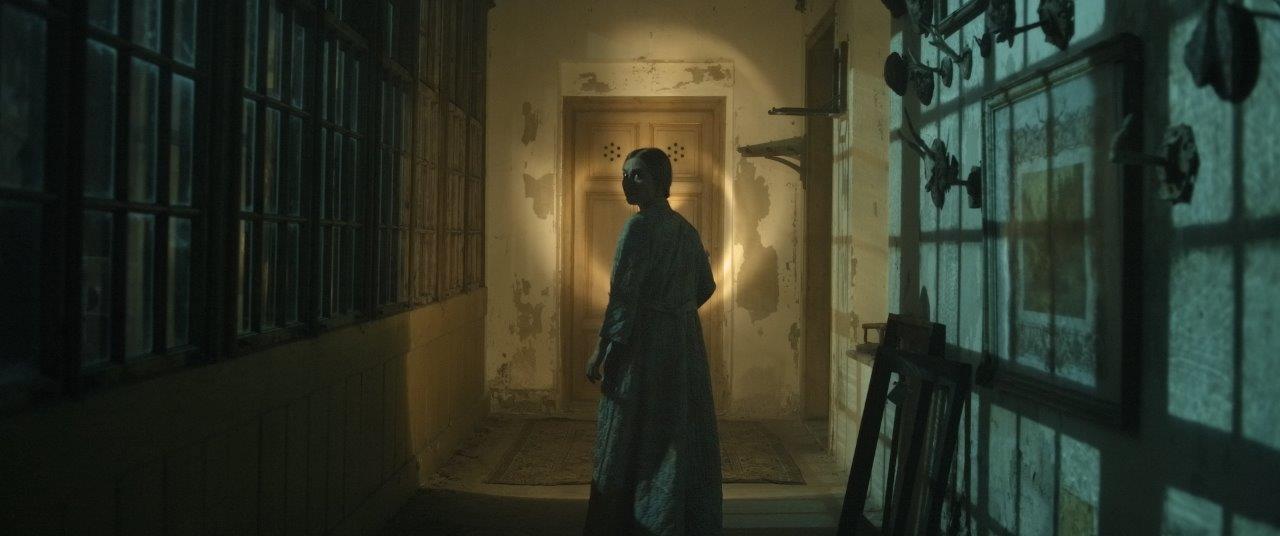
I guess my art background shines through in my compulsive love for details. There is not a single prop or fleck of colour in each frame that I didn’t thoroughly think about. While creating all these old documents and indexes, we would not only consider the paper, ink and font, and authentically faking imperial eagle stamps (our paper bin started looking rather dubious) but also the small print such as the title of the issuing authority – aware that no one will ever see this. It disturbs me if things are a quick fix, no matter if they end up being in the far background, or even out of shot. Entering a set and fully immersing in a different era or realm makes it so much more real. For me, it is not just about telling a story but physically forging its entire world.


Picture
You deal with themes that you call fictional reality: faith, fanaticism and ideology – and also historical family disfunction. Were there any personal experiences that you brought to the writing or filming process? 
​
There is no personal experience or family history that would explain my interest in the topics of my film. If anything, my heritage being Austrian and growing up with the horrors of the 2nd WW but learning hardly anything about the mythological backbone of the NS ideology which I think is so crucial in order to understand how such an insane worldview can take over.

As mentioned before, I’m highly fascinated by the power of imagination since I believe it influences all human motives. I always say we live in a grey zone between reality and fiction.

There is no objective truth as such - I don’t mean that there is ultimately no right or wrong but there is an explanation for every decision. Our values and worldviews depend on our upbringing, our influences. A person who stones a homosexual is terribly wrong but they are acting according to their personal truth. This is certainly not an excuse but the better we understand a narrative the easier it is to change it.
 
The performances are all exceptional. Take us through the key casting decisions. In particular, Isabella Händler as Sigrun.

My DoP had been working with Isabella Händler before, loved her energy and introduced us. We bonded immediately, did a reading rehearsal and that was that – she was my Sigrun. Isabella is of course a very different person in real life but she has that strong will, yet gentle spirit and untainted curiosity that I was looking for. We ended up shaping the character together over the course of several months and discussed every little possible backstory of Sigrun’s life.

The Baroness on the other hand was a longer search. I had a very fragile, petite lady in mind who refuses to eat but the actresses I cast were either too young for the role or too old for the challenging filming process. One day, a friend sent me Inge Maux’s demo reel. I had seen her in theatre plays before and thought her brilliant but hadn’t considered a corpulent Baroness. Slowly I began to fall in love with the idea and adapted the screenplay a little. Inge has Jewish roots, is often cast for Yiddish characters and adored the irony of playing a Nazi-Baroness. It was a perfect fit.
Picture
The film won Best Feature at the Brooklyn Horror Film Festival 2022. Has that put more pressure on you, do you think? 

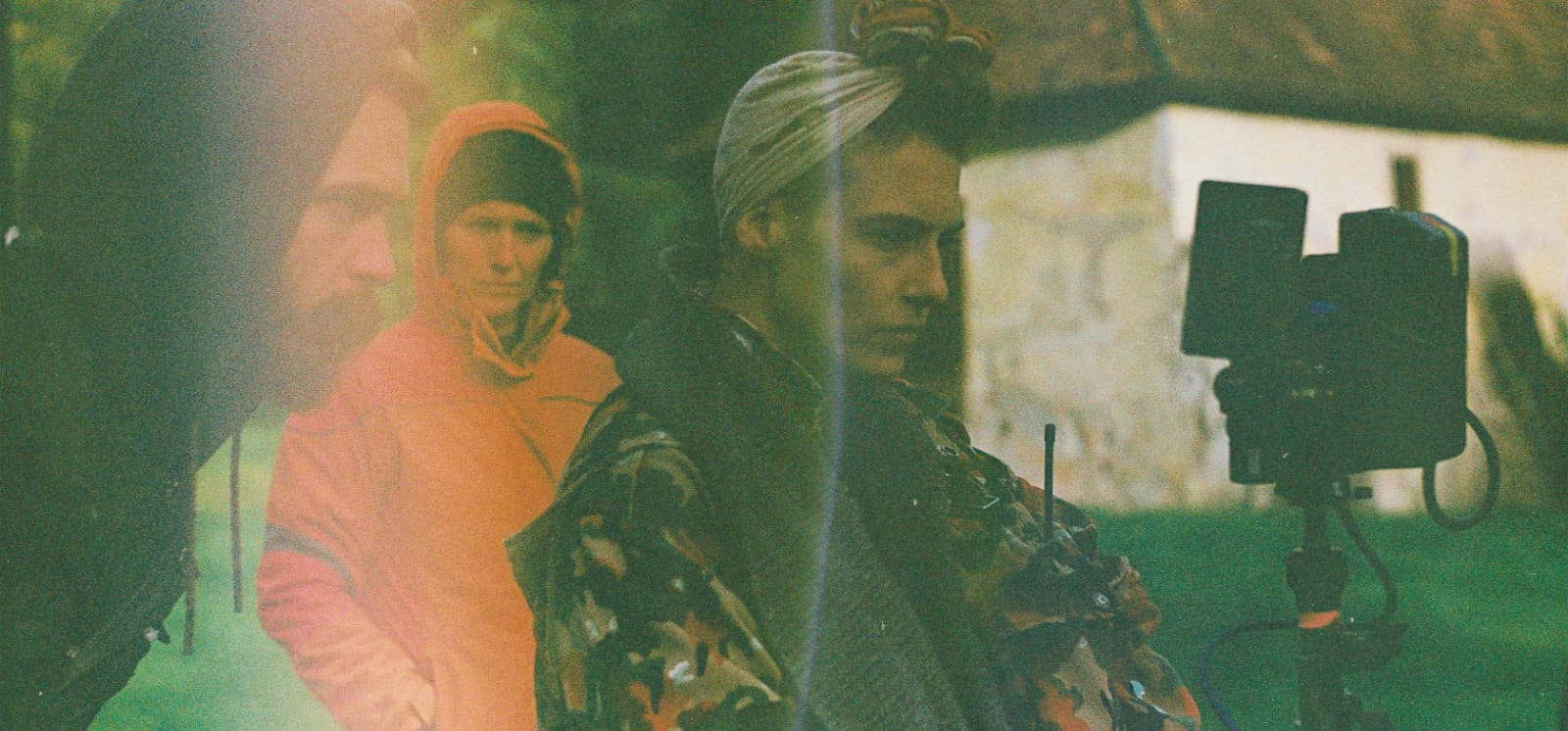
No. Receiving these amazing awards (Best Feature and Best Director in fact) I couldn’t believe my ears!. It was a confidence boost and a reassurance that the team, the cast and I did something right. This was my first time working with experienced actors and directing long dialogue scenes. I was asking myself before if I have enough to offer that helps them bring these characters to live. But I realised there are many approaches, mine is empathy and sensitivity to everyone’s needs, and openness to the input of others. We were a really strong team and everyone was in it for the project and not for the (tiny) cash. There was a certain magic on set that made us all go the extra mile. Still, I’m incredibly humbled for such a huge recognition.
 
You studied art in Edinburgh, so is FrightFest Glasgow a kind of homecoming for you?

Indeed, Scotland is a homecoming for me. My mother and I moved to Edinburgh when I was 15 and I went to school there for a year. Later on, I returned for my studies and graduated in Film at the ECA. I adore the wild nature and crazy weather, the gothic architecture with its overgrown graveyards and dark alleyways, the sinister folk stories and tragic song lyrics. Scotland has definitely left a strong impact and shaped me into who I am.
 
The ending to the film suggests we haven’t seen the last of Sigrun. Are there plans for a sequel?

Funnily enough, there are plans for a kind of prequel. During my research I stumbled again and again upon the grandmother of esotericism as we understand this expression today - a spiritual teacher of the 19th century called Madame Blavatsky. There are photographs of her in the Baroness’ chambers in Mother Superior. There’s no film about Helena Blavatsky even though she has paved the way for all New Age movements we can think of nowadays. Her teachings are very controversial and she wasn’t necessarily a genuine person but her life story is spectacular and her theories are omnipresent. I’m not sure if this will be a biopic or more fiction, knowing myself it will explore the supernatural either way.
 
2022 was a great year for the genre. What have been your outstanding film choices?

The Innocents by Eskil Vogt
Luzifer by Peter Brunner
Huesera by Michelle Garza Cervera
Blaze by Del Kathryn Barton
Moloch by Nico van den Brink
Something in the Dirt by Aaron Moorhead &Justin Benson

What’s next for you?

Apart from researching for the Madame Blavatsky film, I’m co-writing a Christmas folk horror with a wonderful US author called Elise Salomon. It picks up on the ancient myth of the Wild Hunt, an eerie procession of ghost riders in the winter skies. Again, there is a strong female character with rather ambivalent motives.


MOTHER SUPERIOR is showing at the Glasgow Film Theatre on Friday 10 March, 6.45pm, as part of FrightFest Glasgow 2023. Marie Alice will be attending.

Interview thanks to CloutPR
0 Comments

Vincent Gaine Interviews with Alexis Bruchon, writer-director of The Eyes Below

10/1/2022

0 Comments

 
Picture
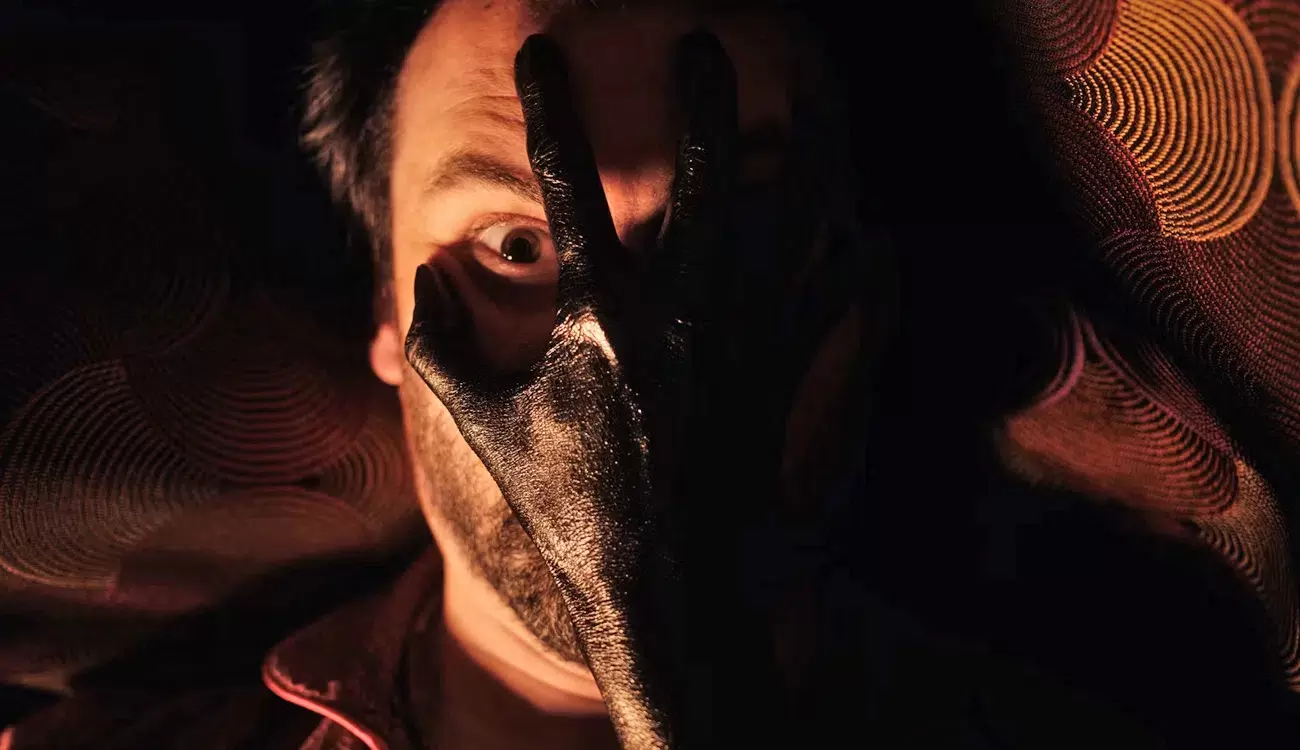
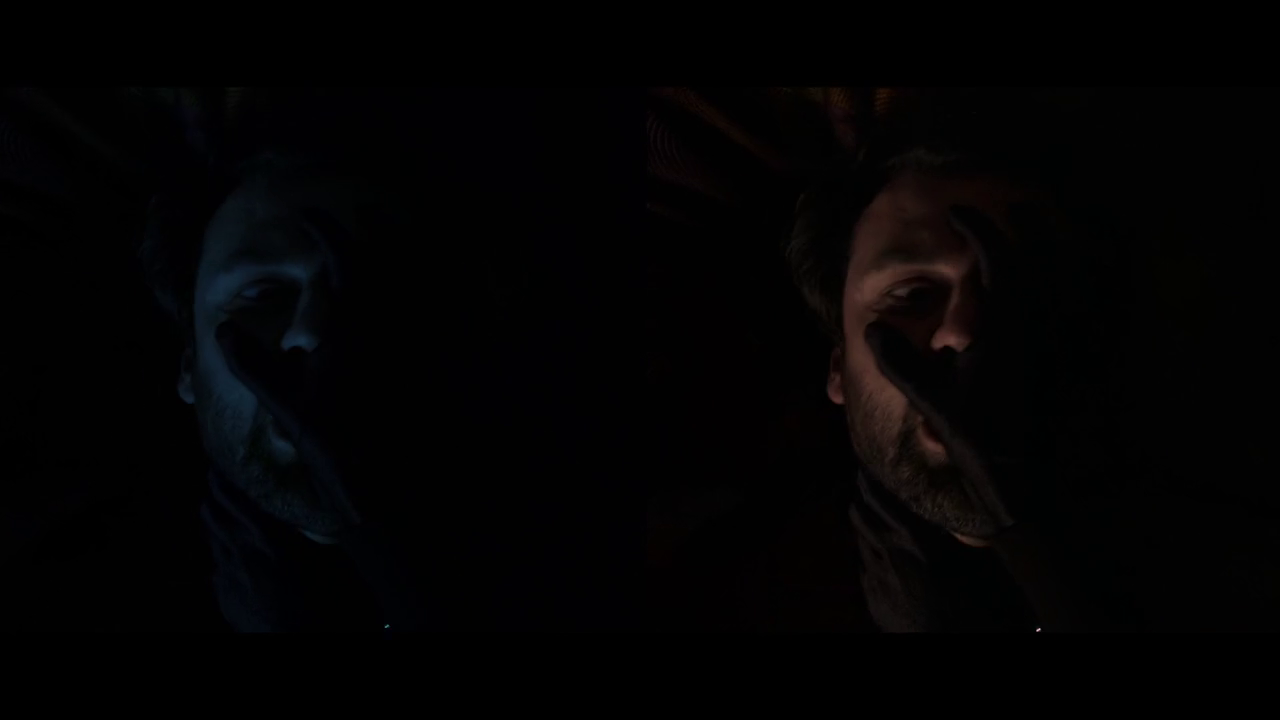
 The Eyes Below screened at FrightFest in August 2022. Vincent Gaine spoke to writer-director Alexis Bruchon about the film and its place in his thriller trilogy. 
 
Vincent Gaine: What is this film? Anyone going into it will likely be surprised, I certainly was, so what would you say is this film?  
 
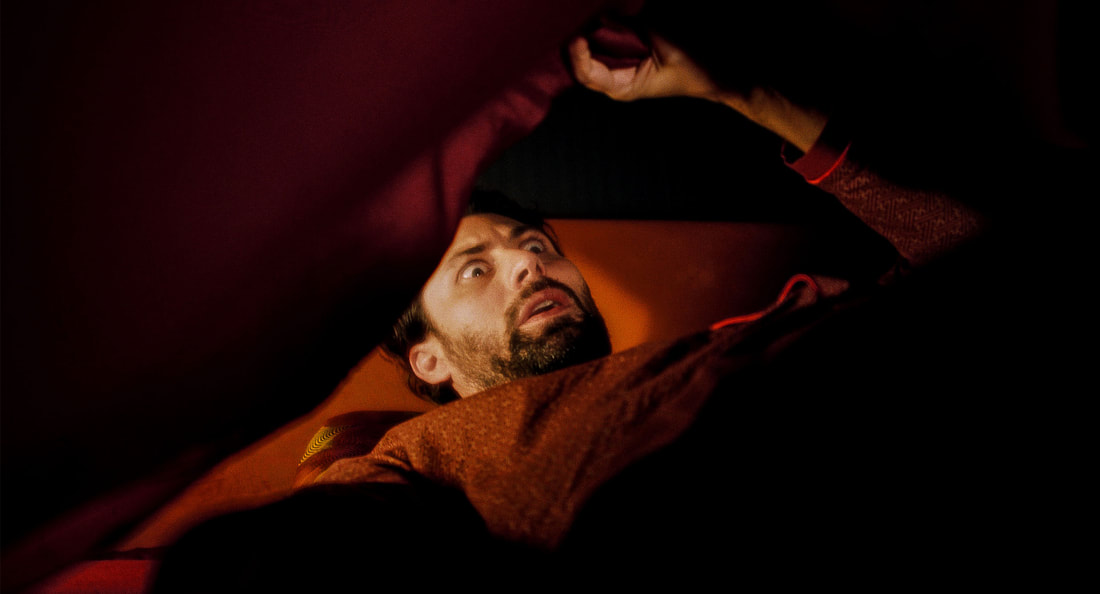
Alexis Bruchon: This film is a sort of chase but set in a tiny place, which is a bed, and with one character lying down all the time. So it’s sort of a silent and immobile chase, but it is built like a chase and a sort of rollercoaster. It’s a noir thriller, fantastic thriller, with very nightmarish ambience, which makes for a good thriller, good horror, but with very weird concepts, the boundaries between dream and reality. It’s not a film about dreams, it’s a simple film, but the way we built it, scripted and pictured it, could allow a lot of space for the spectator to put what they want into it. That was the concept at the beginning, with the challenges of making it.  
 
VG: I can imagine. What is the effect on your creativity of the self-imposed restrictions? Reading about your background and what led to this, it was about how do you set a film in a single location? When you have these self-imposed restrictions, do you find that this improves your creativity?  
 
AB: Yes, exactly. It’s an independent film, with very little money, but of course the physical limitations were not a starting point. The starting point was to build a feature film with a very limited concept and go through these limitations. It was the same thing with the first feature. We could have had more locations, more things to show, but the most important thing was to build the story through visual aspects, on cinematic aspects. I am not against dialogue, I love dialogue, many of my favourite films are built on dialogue, but sometimes it’s too present, especially in films set in one single room, dialogue is too important because you have the phones, two characters, and after that, cinematically, you have close-ups on faces while they are talking. The thing was to take a very boring place with a boring situation, a bed, a man in a bed in a bad situation, not very exciting in fact, but build an entire world and make it bigger than life. And to achieve that, I had to work on the visuals to put the audience in the bigger than life place. So, this very simple pair of sheets began to be a reality in itself and I tried to make it exciting.  
 
The lead character is trapped in his bed, and it’s a very common thing in a lot of single location films, that a lot of the time it’s for very material reasons, very realistic reasons. He’s attached to his bed, in a coffin, a phone booth, a boat, we’ve seen that many times with Lifeboat, Buried, Phone Booth, Misery. The thing was to make it more exciting. Normally you have the reason as a starting point, here you have the reason at the end, or not. But you don’t know what’s happened, it’s offscreen, sort of magical or not, supernatural reason or not, and you’re finding out, something is realistic and not realistic, so you’re always finding a response and that allowed us to make it wider.  
 
Picture
 VG: You have mentioned some other single location works there. From a writing and directing perspective, were other things like that your influences? Or were there other influences that you were drawing on? 
 
AB: Influences are always very important in making a movie. They are very different, but I didn’t want it to be too strong. For the woman, the references were very direct, because it’s a film noir, with direct references with black and white, expressionist shadows. It’s more abstract. By the way, I was very influenced by American abstract painters like Pollock, Gibbons, to make an impression on the viewer by very simple things like colours, the treatment of the colours. Of course, it’s a movie, I like most of all movies. Influences came from the movies. You have this abstract filling that I think is important in the supernatural, nightmarish way we liked to make the movie. After that we add of course very direct references and the most direct are Kaneto Shindô’s Japanese films from the Sixties called Onibaba and Kuroneko, Black Cat in English.  
 
VG: Onibaba I am familiar with and now you mention it I can see the visual influences.  
 
AB: By the way, when I made the soundtrack, I put the Onibaba scream in and I did distort it. So when you hear the RAP in the movie it is a reverse scream of Onibaba and part of the soundtrack. Kaneto Shindô is never direct because there is no link between Onibaba, Koruneko and my film, but the ambience and in the way we show the aura and the fantastic.  
 
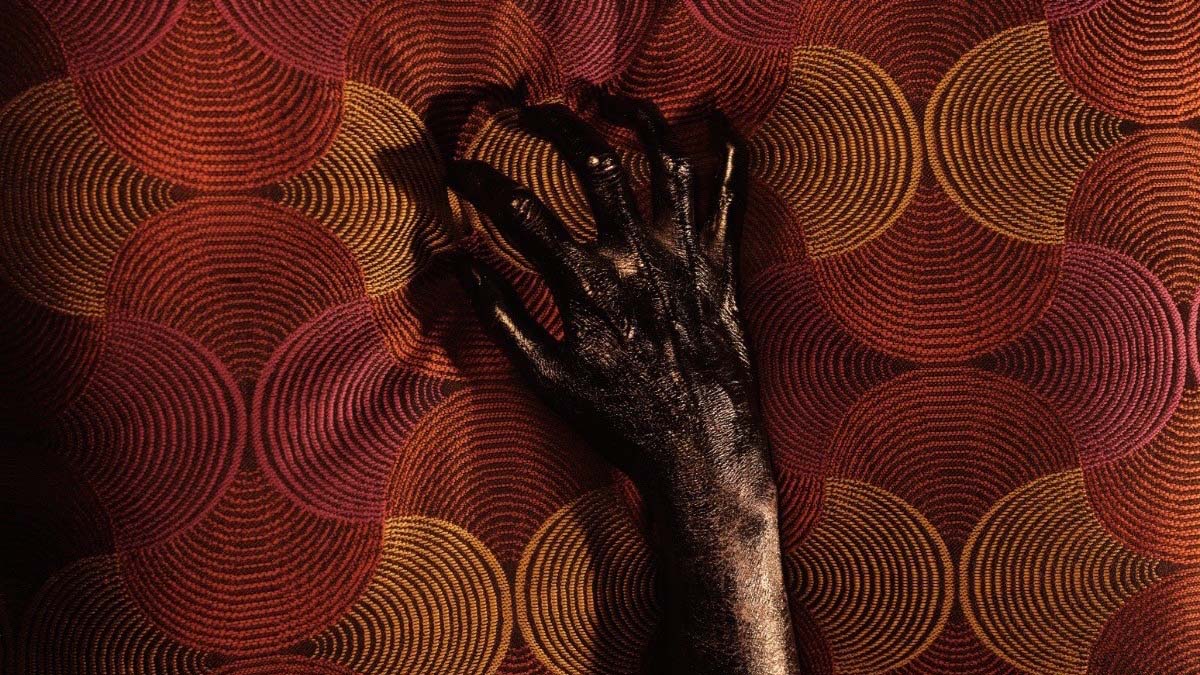
At the beginning. I hesitate between two ways: a gory and violent way, or a very ambient and Japanese way. I am also a big fan of Fulci, I like very much Pasquale Langier who directed Martyrs. I like these very organic films. Fulci, for example, makes the most disgusting films, The New York Ripper, absolutely horrendous. I think I am in the more ambient way, Cocteau for example, and I think it’s a very clever way to show the fear because it’s all in the frame, all in the editing, the colours, the shadows, for me that’s what cinema is. It’s first of all lights, it’s editing, it’s the ensemble. What was in mind was two movies, Robert Wise’s The Haunting, which is one of my favourite films, because Wise can build a tense scene with just a door handle, just three big shots of his characters, and lights. I love the shot of the wallpaper, with the main character Eleanor, something is gripping her hand, she is looking at the wallpaper and you see eyes in the wallpaper, just from the lights on the paper, and it’s absolutely incredible. I love Cocteau, Ozu, Jean-Paul Mallier for example, who can build an entire scene without dialogue. I always prefer character by what they do and not what they are. It’s a better thing to learn characters. Someone told me I don’t like character but it’s totally stupid. I love character, I build all my films on character, but I think sometimes it could be better to know them by their hands, leg, feet, rather than always talking.  
 
VG: The central premise of the film seems to be the fear of going to sleep or being unable to wake up. What sort of research did you find and what was useful in creating that concept of fear?  
 
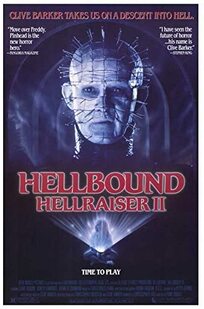
AB: No science at all. The starting point is also a painting. It’s called The Night, by a Swiss painter called Ferdinand Hodler. It’s a picture of a man, scared, lying naked. He wakes up and he has some sort of pressure on the sheet, like in the movie. It’s a succubus. Later I heard of a Japanese legend of the Korubozu, and it’s the same thing. It’s a monster that goes inside your mouth and lick your face when you are asleep, and that’s why you have that dream. And what fascinated me is that in two very different cultures, from the same era, 19th century, you have exactly the same monster to represent bad nights. The research was on that. It’s a common thing we have, a fear of the night, a fear of bad dreams, and we want desperately to understand it. Of course, there is no reason: we have nightmares because we make connections in our minds. You have an appointment next day so you are nervous, so your mind will connect some images, but there is absolutely no sense. I don’t believe in the supernatural at all, but what is fascinating is that we are all in the same bus for this. But no scientific research on it, because the film is not about dreams or sleep, but how to make very common place totally dreamlike and how we can reinvent and see differently our everyday world. It was the beginning of the story.  
Picture
VG: What is your production process? How collaborative are you and how do you marshal the various views of people on set?  
 
AB: I have a strange process. I am an illustrator and graphic designer in everyday life, so it’s lonely work, I work alone. The opposite of film which is group work. I have no background in cinema, I didn’t make any short movies, never went to film school, and before (debut film) The Woman With Leopard Shoes I never touched a camera in my life. It was just my deep desire to make movies, and because I love movies, I wanted to make it. The Woman With Leopard Shoes was a school for me, so I didn’t share a lot with other collaborators. At the beginning, I wanted to share with an editor, a director of photography, a musical director, but each time it was no, I don’t have the time, or it will be very expensive, so I thought, fuck it, I want to do that, I want to learn how to do that, and I will learn by myself, by making mistakes as it were. So, it was a very lonely process but very interesting. Now I have a sort of process. At the beginning, I write the script, very precisely, and after I finish it, I never read it again. After that, I make a storyboard, a very precise storyboard, with all the shots, all the lights, all the movement, etc, and once it’s finished, I never see it again, it’s done. At each step, I have just the memories of the work I have done. I don’t know if it’s a good thing, but I have the memory of what I do, and I make little changes and I modify a little bit because I have just the memory. The good thing about memories, you remember the better things. So it’s always fresh for me and during the shooting I never follow the storyboard. That’s a little lie, because for the actor, we use the storyboard to show this is your expression, but frankly I try to not allow him to have the script with him, he has to trust me. When I say you have to do that and that, I have the memory of the storyboard but I always try on set to do different things. Most of all it’s because I want to have the perfect narrative shot for the editing. The thing with editing is, I work with one camera, I make as few shots as possible, two or three takes, no more. I try to limit it to angles to have a perfect thing, then I go to editing, in editing, I don’t see the script or the storyboard of the shoot, I just have memories of the shooting itself.  
 
It is the same thing with the soundtrack: when I write the script I have an idea for a soundtrack, but it’s always different because during the process, I say narratively, the soundtrack is very important for me, usually important, the soundtrack is included in the shooting process because for me it’s central to the film. Music can replace all the dialogue and all the feelings. I have a big idea at the beginning, but when I have the shooting and after the editing, I have the structure of my story, after that I build the soundtrack, directly with images. It’s always, with editing, if a character does something or hears something, I will make a fusion between the images and the sound to have a perfect match. For example, the music is always a bit before the action because it reinforces how we think. It makes it more surreal to have the sound before the image. It’s a little trick you can make with these effects.  
 
After that, I share this with the crew. But this film was made during COVID, so we made the film with only three people. We had me, the main character Vinicius Coelho and Pauline Morel, who was also the first assistant. She had very good ideas and suggestions. So, we always had discussions, the three of us, it remained a group work, which was friendly.  
 
VG: What would you say the journey has been like for this film from initial idea to completion? 
 
AB: The journey was like the story. I start with an idea, a realistic idea, after it went to a different route, and the result is both close to what I had in mind at the beginning but also far from my initial expectations because you have the human factor, you have time, you have COVID, you have a lot to work on, film is blood and tears, you have some difficult moments, you have some wonderful moments. Of course, there are influences on it, especially for independent films, so there is a difference between the starting point and the final cut.  
 
VG: Does that mean when you got to the end and had the finished product did that surprise you?  
 
AB: Yes, maybe. You are always a bit disappointed when you see the result because there is no magic anymore of the fantastic idea from the beginning. You don’t have the distance to see, so it’s a bit frustrating in fact, the final film.  
 
VG: Have you had a chance to watch the film with an audience?  
 
AB: Yes, but at a very tiny festival.  
 
VG: So, is this screening at FrightFest going to be the first big audience that the film has?  
 
AB: Yes, because the little festival was very friendly but not in a cinema, so I am very excited to see the film in a cinema. It’s a film for cinema, you have to be in a very dark room. I think I will rediscover the film with an audience in a cinema. I was a little bit vicious because the film went to a streaming online festival, and with colour grading, I made the film so dark I advise the viewer to put down all the lights because I think it’s the best way to see the picture, in the dark but not with other lights. Some people complained on the internet, saying ‘It’s too dark! I don’t like it!’ but it’s on purpose! So that’s my little vicious gift to online festivals.  ​
Picture

 
VG: Coming to the end of the film, I felt a strong sense of ambiguity over what actually happened. Do you see, or do you want the audience to see, that ending as clear, or is the ambiguity important to you? 
 
AB: Ambiguity is absolutely very important for me. It’s funny because at the end of my first film, which is a realistic film with everything explained, but I hear some people, viewers, who will say ‘Yes, but I don’t understand this moment, or this very tiny moment specifically’. It’s also beautiful to not understand everything, because you have your place in the film, you can work with the film, so it was highly important for this second film to add the degree of ambiguity and this dark space for the viewer. In fact, the film is very clear. You have a total explanation, if you look carefully, you have a total explanation for absolutely everything. For me it’s very clear. But you have to manage with the picture. I said I wanted to make a film only with light, colours, movement, etc. You have to work with the film to understand. What is interesting is that the film has been watched by several people now, from different cultures, and ambiguity, I think, we are happy with that. I don’t know if the theme is good or not, but I think one thing we succeeded with is ambiguity. For American audiences, I don’t know why, but they have a very pragmatic explanation and analysis. It’s dream palaces, dream problems. For European audiences, it’s more metaphoric, there’s a thing with anxiety, with psychological things. For Americans it’s very logical: ghosts, creatures, monsters. Like Korubozu and the paintings, back to my starting point, every culture, even every person has a different point of view on the film and its meaning. I have my point of view, ambiguity of course, I have my interpretation of the film, but I’m happy because we have plenty of space in this dark space for everyone in the film, so I’m very happy with that.  
 
 
VG: How does it feel to have your film showing at FrightFest?  
 
AB: It’s huge, because FrightFest is a very impressive festival, one of the biggest in Europe, but most of all I have to say, that for me it’s the best because they don’t have an opinion on the background of the filmmakers, and they are always searching to surprise the audiences and propose different things that I love. I’m very excited for the line-up, I didn’t push it in other festivals and there are very different tones, ambience, stories, backgrounds. You have well known filmmakers like Dario Argento, newcomers like me, so it’s very different. We are all together so it’s very interesting. We are in the Discovery strand and that is absolutely incredible to have such a big strand for Discovery in a very big festival like FrightFest which is not the case at most of the big festivals, so it’s quite unique in genre festivals, so I am more than happy to be here.  
 
VG: What are your hopes for the film when it goes on more general release? 
 
AB: I would like to find a way to release it to a larger audience, of course. The first step is the festivals. For independent films, festivals remain very important because they add publicity, reviews, adds a sort of stamp, that’s very good. I hope after that some people may be interested in the film. I hope for some connection with the industry and be able to release it. We made the film for audiences and for cinemas, and of course platforms are very important. I am determined to get the film distribution with a proper audience.  
 
Picture

VG: You have said a bit about your background and the difficulties facing an independent filmmaker. What sort of advice would you give to aspiring filmmakers?  
 
AB: Bertrand Tavernier, a French director, said to me just before he died, I met him in Lyon, I asked the same thing. He said you have to have patience and humour. I think it’s totally true. You have to be very patient and have a lot of humour. Woody Allen said a very true thing: as a starting point you are allowed to be Orson Welles but after that the only thing is to avoid disaster, and I think that’s exactly right. At the beginning you have the general idea and you are the master of the world; at the end you are like a soldier thinking it’s not possible. I think you have to be patient because it’s a very long process, although from the first word of the script to the final cut it took less than a year to make it. But it’s very stressful because no one wants you. A lot of people want to make film, and with young people and the digital it’s even worse because anyone can make a movie with their camera phone, so it is very stressful. You have a lot of festivals, a lot of distribution companies, but few have the deal at the end. You have to spend some time to work just for your passion but what is a passion if you don’t have the final goal? So it is like a run, but you don’t know the end. You are always the person who needs to run and you’re tired but you have to run again because it’s not finished.  
 
I think it’s totally normal to say two levels between an established filmmaker who have connections and independent filmmakers who have no connections, until you prove yourself in the industry. We hope that we shoot it, and we don’t know what the audience will think. Will they love it? Hate it? Be totally indifferent? It’s an experimental film so I expect very different reactions between people who say it’s total bullshit and those who say its snobbish, I can’t stand it and those who say it’s interesting, I like the things they did, I was not bored. So, for filmmakers you need patience and humour, because you have to take it, Hitchcock said remember, it’s just films, it’s not a big deal. Nobody will die at the end, so it’s just film. 
 
VG: Can you say anything about your next project?  
 
AB: It’s a thriller trilogy. The first film was a film noir, this film is a fantastic thriller, and the next will be a paranoid thriller. Currently, because I change between two projects, the next is called Cutting Point. It is very cinematic because it is about an editor who discovers something in the film that she is editing. It will be cinematic on the idea of editing, switching scenes, and the power of the Kuleshov Effect. It will be a thriller, it will be very tricky, but it will be interesting at the end. For the moment, it’s an idea, I have the treatment, I write the script right now, I expect to do it very quickly.  
 
The other is a sort of dream project, the script has been written for a year or two, but I change a lot of things, even this past two weeks, I write it again. It’s called, for the moment, Interpretation. It’s the story of two women who are kidnapped in very weird circumstances. The first woman is kidnapped, she didn’t see anything, she didn’t hear anything, she was just sitting, waiting, she was released after that. And the day she is released, her friend is kidnapped, same thing, then goes free after that. It’s very tiny but also complicated. I’ve worked on it for many years, in fact it was my first project, so it’s a dream project. But I need some more money, it’s not an expensive project at all, but I need some more money to do the thing right. I hope to find some people who would be interested in this project, because I really want to make it.  
 
VG: Since we are at FrightFest, it only seems fitting to ask, what is your favourite horror movie?  
 
AB: My favourite horror movie, that’s impossible to say! Of the big names, it’s The Exorcist. The funny thing is, the first time I saw The Exorcist, I didn’t like it, because it was in French and the French version is absolutely awful. I rewatched not long after this first screening and I literally was totally stunned by it as a film. For me it is not a horror movie in fact, it is a melodrama about a family, about a teenager, and a metaphor for how sexuality could be horrific. I don’t think that, but the film shows that because Regan is just a little girl, and she begins to be a woman and her mother doesn’t want to see her child that way. That’s my interpretation, it’s debatable.  
 
The Haunting is one of my favourite horror movies, of course. Kuroneko and Onibaba, Japanese movies. Eyes Without a Face by Franju is definitely a film I love, but I discover new horror films all the time. I saw a Korean movie called Thirst. I wanted to watch it for years, but it wasn’t released in France. I watched it and it’s absolutely incredible with this variation of vampirism. Speaking of vampirism, there is a Belgian film called Daughters of Darkness by Harry Kümel. Speaking of Dario ArgentoI especially love Inferno, it’s less famous than Suspiria, but Inferno is incredible. There is a film by Sergio Martino called Torso, I totally love Torso and it was an influence for my movie because the offscreen is very important also. It’s a very poor slasher from the perspective of story, but the way Martino films it, absolute masterpiece, definitely one of my favourites. All the giallo, so plenty of movies.  
 
VG: That was my last question, so it’s great that it was so detailed. Thank you! ​
0 Comments

Gwendolyn N.Nix's​ Ten Bloody Good Dark Fantasy Books

9/5/2022

0 Comments

 
Picture
{Gwendolyn Nix, former podcast guest and author of the amazing dark fantasy novel I HAVE ASKED TO BE WHERE NO STORMS COME is a lover of the darker side of fantasy and she joins ius here on Bloody Good Reads to share here top 10 Bloody Good Reads}

Hello reader – what brings you here? Oh? You’re looking for a read that will sweep you off your feet, let you delight in the darkness of human nature, or perhaps get lost in the worldbuilding of a place far from our own?

Welcome to my cluttered hut of wonders. Sit down by the fire. Mind the monsters, they can get underfoot when curious. Here’s a hot beverage – I promise it’s not poisoned, and it is exactly what you need – and let me regale you with a collection of bloody good reads.
Picture
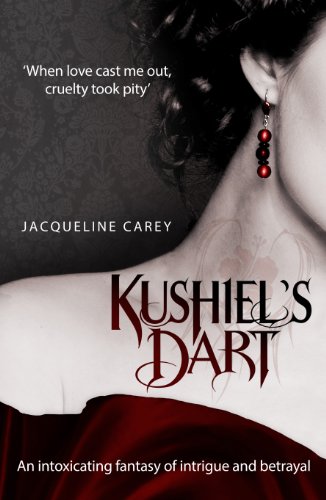
Kushiel’s Dart by Jacqueline Carey

Do you like to live deliciously? Do you enjoy court intrigue, with a side of the sensational, complete with a quest to fulfil the needs gifted to you by a god? Kushiel’s Dart – along with the rest of the books in the series – is a tome for the ages, something to enjoy with dark wine and chocolate while the firelight shadows flicker around you.

Picture
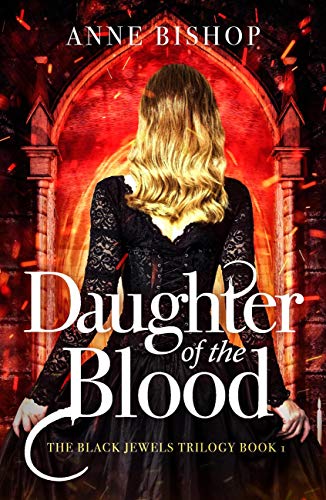
Daughter of the Blood by Anne Bishop

Mayhap you wish to transcend realms, instead. Does your curiosity take you into the underworld where you might stumble upon what the High Lord of Hell is up to? Perhaps you seek destructive power thrumming on the brink of explosion. When Daemon Sadi discovers that the longed-for Queen and Witch now walks the realm, he is determined to find her – kicking off a destiny that will transform an entire empire.

Picture
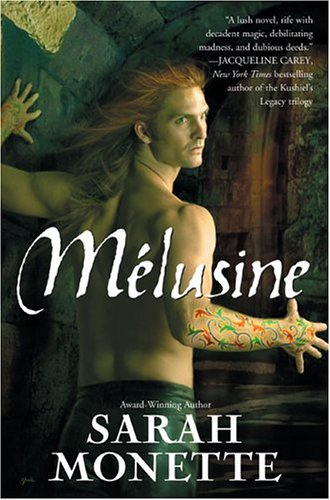
Mélusine by Sarah Monette

Yet, if cities full of lies, magic, and pain corruption speak to you, Felix Harrowgate offers to be your guide. When a magical ritual goes wrong, leaving Felix fighting for everything he has earned and gained, he must call on the thief Mildmay for help – if only the two of them could get along.

Picture
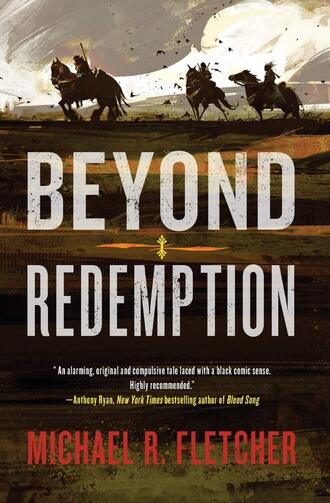
Beyond Redemption by Michael R. Fletcher

Are your eyes are drifting to the open road, your heart of hearts longing for a sword at your hip, a good draught of ale, and a way to… defend your morals? Bah! What morals? In this world, faith shapes the landscape and the delusional and insane hold the most power when their visions become flesh. But be prepared, for it is a dark and bloody road you head down… and your friends are liable to stab you in the back.

Picture
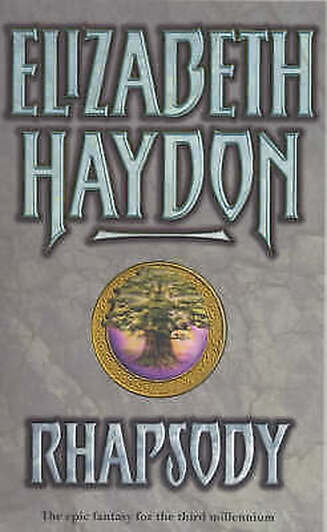
Rhapsody: Child of Blood by Elizabeth Haydon 

Too rich for your palate? Are you overwhelmed with dark sweetness and horrors too much to bear? Yet the open road still calls and a desire for sword and sorcery is unmatched. Follow Rhapsody on her quest to escape her past, only to end up fighting for her life in an epic voyage through a world where music shapes your fate.  ​

Picture
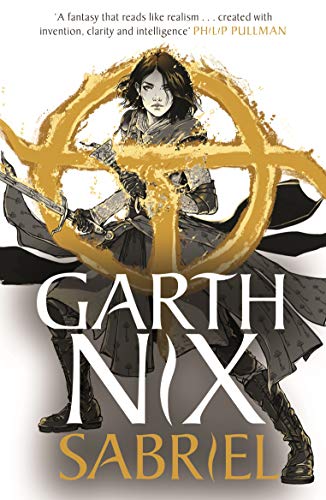
​Sabriel by Garth Nix 
​

You shake your head. No, your tastes run to a more… well, necromancer type of tale. Not zombies. Not flesh eating demons. Spare me your vampires. But something softer, where death magic is just as accepted and part of the world as the sword at your side. Join Sabriel as she embarks on a journey to find her father, where her necromancy bells are her only defense against the evil that waits for her

Picture
Skull Masquerade by Carla Wyzgala and Justin Tauch 

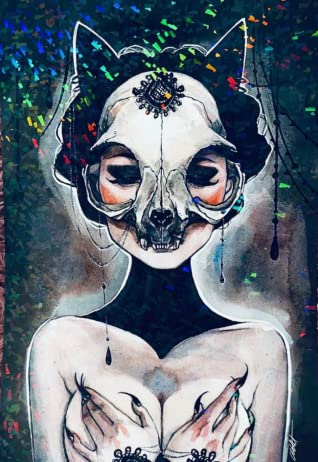
A visual reader, perhaps? Someone who delights in the artwork just as much as the written word? Looking for something a little esoteric, a little unknown, a short dessert to enjoy? Join Dahlia. When she wakes in what feels like a post-apocalyptic wasteland and journeys to a haunted gothic house full of witches, she learns she might possibly come into a power all her own

Picture
Papa Lucy and the Boneman by Jason Fischer 

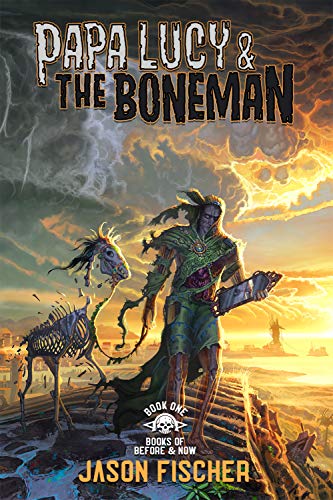
Does the post-apocalyptic world of Mad Max appeal to you? Do you seek the strange and unusual, the uncanny and odd? In a world divided between the Before and Now, a god manages to resurrect himself and seek out a family long lost. All the while, a gunslinger wanders the body-transforming desert, a young girl holds unknowable power, and betrayal waits around every turn.  ​

Picture
The Fisherman by John Langan 
​

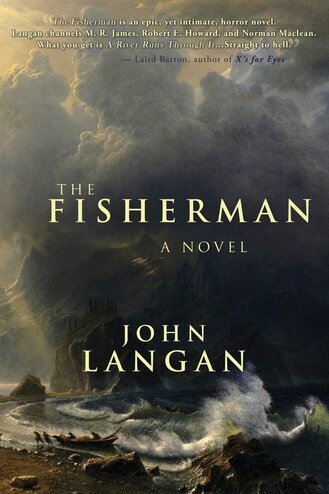
Fantasy doesn’t mean you have to step into a brand new world. Instead, your enjoy the familiar, fully aware the supernatural resides around every corner. When two fishermen set out to discover the mysterious Dutchman’s Creek, they never expect to discover an ancient evil reaching across time, ready to make a pact that will turn everything they think they love upside down. ​

Picture
Singing with All My Skin and Bone by Sunny Moraine 

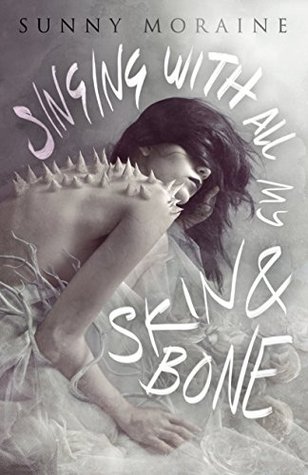
No! You want it all! You want a slice of everything all at once! This collection serves you what you need, all different tales full of the macabre and wild, describing transcendence and horror. Nineteen short stories will provide you the richness of prose alongside the shiver of the unknown and that sweeping finale of dark fantasy. ​

Ah, I see you’ve finished your drink. Up now. Put the monster down – I know, he does enjoy being cuddled so. Take these stories with you. When you return, there will be more bloody good reads waiting for you. 
 
*** 
 
GWENDOLYN N. NIX is a professional editor and author, penning the Celestial Scripts series (The Falling Dawn, and Seams of Shadow), Sharks of the Wasteland (Cataclysm Cycle), and the forthcoming I Have Asked To Be Where No Storms Come, releasing from Crystal Lake Publishing in July 2022. She is also the editor of the Marvel Xavier's Institute: School of X anthology. A member of SFWA and Horror Writer's Association, her short fiction has appeared in a variety of anthologies, such as Pileaus Symphony No. 1, Where the Veil Is Thin, and Apex: Worlds of Dinosaurs. She lives in Montana with her partner, young son, and a wild gray Labrador. Find her online at gwendolynnix.com, on Twitter at @gwendolynnix or Instagram at @gwendolyn.nix. 
 ​
0 Comments

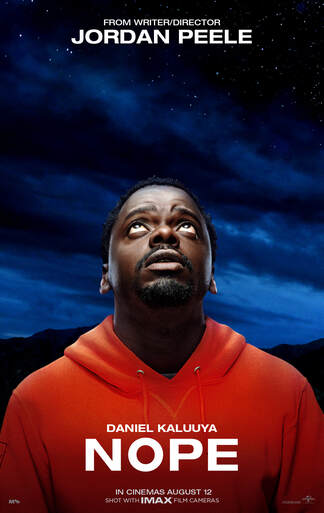
NOPE  'It Takes a Village' Featurette (In UK Cinemas August 12th)

6/25/2022

0 Comments

 
Picture
“What’s a bad miracle?” 
 
This generations horror master Jordan Peele is back this August with his latest movie NOPE. The film reunites Peele with Oscar winner Daniel Kaluuya (Get Out, Judas and the Black Messiah), and they are also joined by Keke Palmer (Hustlers, Alice) and Oscar nominee Steven Yeun (Minari, Okja) as residents in a lonely gulch of inland California who bear witness to a strange and chilling discovery. 
 
NOPE is written and directed by Jordan Peele and produced by Ian Cooper (Us, Candyman)  for Monkeypaw Productions. We have a little featurette for you to celebrate the release of film, I hope you enjoy!
0 Comments
<<Previous

    Features

    Fun and entertaining selection of features Including Top 10's, Greatest Moments in Cinema and Interviews

    Picture

    Archives

    September 2025
    August 2025
    August 2024
    June 2023
    April 2023
    March 2023
    February 2023
    October 2022
    September 2022
    June 2022
    November 2021
    October 2021
    August 2021
    November 2020
    June 2019
    May 2019
    February 2019
    January 2019
    January 2018
    December 2017
    October 2017
    September 2017
    August 2017
    June 2017
    May 2017
    March 2017
    January 2017
    December 2016
    October 2016
    September 2016
    August 2016
    July 2016
    May 2016
    April 2016
    February 2016
    January 2016
    December 2015
    October 2015

    Categories

    All

    RSS Feed

Powered by Create your own unique website with customizable templates.